Physical Address
304 North Cardinal St.
Dorchester Center, MA 02124
Physical Address
304 North Cardinal St.
Dorchester Center, MA 02124

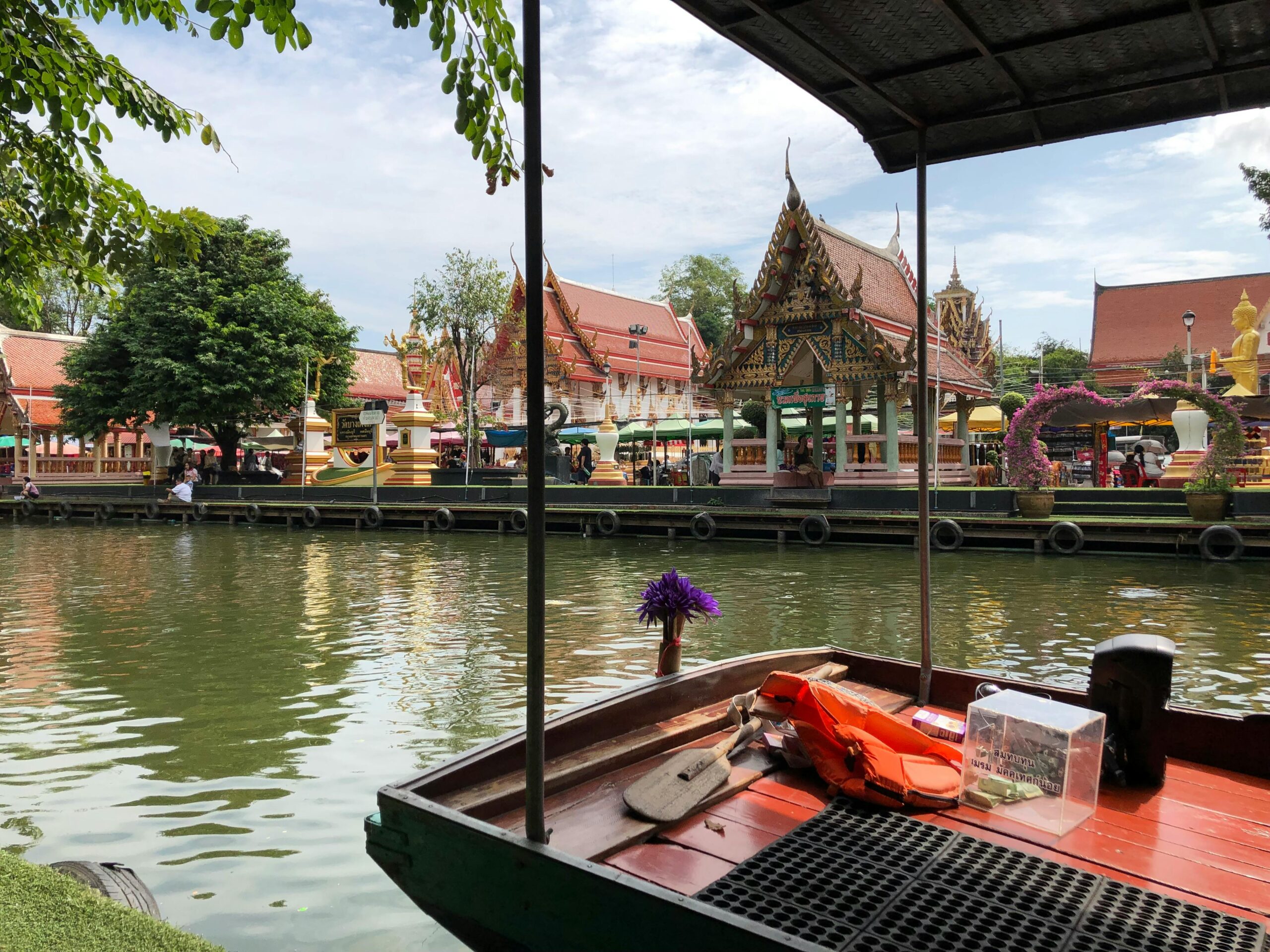
Skip the crowded tourist trail and discover Bangkok’s hidden cafes, quiet canals, old riverside neighborhoods, underrated temples, secret nightlife spots, local food streets, and offbeat districts most travelers never experience.
Most travelers visit Bangkok through a very small lens. They visit the Grand Palace, take photos at Wat Arun, walk through Chatuchak, spend a night around Khao San Road, then leave believing they experienced the city properly. Those places are famous for a reason, but they only show one side of Bangkok.
The deeper version of Bangkok sits quietly behind old shophouses, riverside lanes, hidden canal communities, local food streets, neighborhood bars, temple districts, and residential areas that rarely appear in standard itineraries. It exists in old Chinese neighborhoods where mechanics still work from century-old buildings. It exists in quiet canals where monks move through morning routines beside wooden homes. It exists in coffee shops hidden inside restored houses with no giant signs outside. It exists in local nightlife areas where the crowd is mostly Thai students, office workers, musicians, and creatives instead of tourists taking skyline photos.
Bangkok rewards travelers who slow down. The city becomes far more interesting once the famous checklist attractions are finished. One extra BTS stop away from the tourist zones often changes the atmosphere completely. Prices drop. Crowds thin out. Food improves. Streets feel more lived in and less curated.
This guide focuses on hidden places in Bangkok tourists consistently miss, including quiet neighborhoods, underrated temples, local food streets, offbeat markets, canal areas, hidden cafes, and nightlife districts that still feel connected to everyday city life. Every location included here is real, verifiable, and practical to visit independently.
Before choosing areas to stay in check out RoamRiot’s guide on Best Areas to Stay in Bangkok.
Many travelers visit Bangkok Chinatown expecting an old-world atmosphere but end up inside one of the city’s busiest tourist corridors. Yaowarat Road is exciting and worth seeing, but it can also feel crowded, noisy, commercialized, and heavily photographed.
Just a short walk away sits Talat Noi, one of Bangkok’s oldest riverside communities and one of the most atmospheric neighborhoods in the city.
Talat Noi developed as a trading district long before modern Bangkok expanded into a global megacity. The area still contains old Chinese shophouses, riverside warehouses, shrines, family homes, mechanic garages, and narrow alleyways that reveal layers of Bangkok history without feeling staged for tourism.
Walking through Talat Noi feels different from most tourist-heavy parts of Bangkok. The streets are narrower. Families still live above businesses. Small shrines sit beside workshops. Old engines and metal parts spill onto sidewalks beside cafes opened inside restored heritage buildings.
One of the most rewarding parts of Talat Noi is simply wandering without a strict route. The side alleys near Soi Wanit 2 contain some of the neighborhood’s strongest character. Visitors regularly find hidden murals, riverside walkways, small Chinese temples, old staircases, and traditional homes that feel untouched by mass tourism.
The riverside Kian An Keng Shrine is one of the neighborhood’s highlights. Built in the 19th century, the temple sits quietly beside the Chao Phraya River and receives far fewer visitors than Bangkok’s major temple complexes. The atmosphere feels calm, incense-heavy, and deeply local.
Talat Noi has also quietly become one of Bangkok’s most interesting specialty coffee areas. Unlike trend-focused cafe districts, the cafes here blend naturally into the neighborhood instead of dominating it. Many operate inside restored warehouses, old homes, or converted industrial spaces while still preserving the surrounding character.
The best time to visit Talat Noi is weekday morning through late afternoon. Early hours feel especially atmospheric because the neighborhood is active with local businesses before the day becomes too hot.
If you’re visiting Yaowarat Chinatown, dipping your taste buds in the local cuisine infused with authentic Chinese is a must! Read RoamRiot’s Food Guide to find out Where to Eat In Bangkok!
Bang Kachao is often called Bangkok’s green lung, but many visitors still skip it because it looks complicated to reach on a map. In reality, it is one of the easiest and most rewarding half-day trips inside the city.
Located across the Chao Phraya River from central Bangkok, Bang Kachao is a large green peninsula filled with elevated cycling paths, canals, fruit orchards, quiet villages, temples, gardens, and tree-covered roads.
The contrast surprises most first-time visitors. Bangkok’s skyline remains visible in the distance while the immediate surroundings feel calm, green, and almost rural.
The experience here is less about sightseeing and more about slowing down. Travelers rent bicycles near the ferry pier and spend several hours exploring shaded pathways and canal-side roads without heavy traffic.
The Sri Nakhon Khuean Khan Park and Botanical Garden is the area’s main attraction. The park contains wetlands, wooden walkways, cycling paths, elevated observation areas, and large sections of tropical greenery.
Outside the park, the small roads around Bang Kachao pass through quiet residential areas where locals sell fruit, drinks, grilled snacks, and simple Thai meals.
Unlike Bangkok’s commercial districts, Bang Kachao feels relaxed and unpolished in a good way. There are very few tourist shops and almost no aggressive vendors.
Bang Kachao works especially well for travelers spending several days in Bangkok who want a break from traffic, shopping malls, and crowded tourist areas.
Most tourists only experience Phra Nakhon through famous landmarks like Wat Pho and the Grand Palace. The broader district surrounding those attractions contains some of Bangkok’s most beautiful streets and overlooked neighborhoods.
Once travelers move away from the main palace area, the atmosphere changes quickly.
Phra Arthit Road is one of the best examples. Sitting near the river close to Banglamphu, the street becomes lively during evenings with students, local musicians, riverside cafes, relaxed bars, and small restaurants. The atmosphere feels youthful and local without trying too hard.
Nearby streets contain old homes, bookstores, hidden cafes, traditional shopfronts, and guesthouses tucked quietly into narrow alleys.
The area around Wat Suthat and the Giant Swing also deserves far more attention than it receives. The roads surrounding the temple contain traditional businesses selling monk supplies, religious items, ceremonial objects, and handcrafted goods.
Unlike Bangkok’s polished shopping districts, this part of the city still functions primarily for locals.
Walking around early morning reveals monks collecting alms, shopkeepers preparing for the day, food stalls opening, and residents beginning daily routines.
Pom Mahakan Fort and the old city wall area nearby provide another side of historic Bangkok that many travelers miss entirely. The remaining fort structure, canals, greenery, and old-city atmosphere create one of the quieter walking experiences in central Bangkok.
This district rewards slow walking more than strict sightseeing.
Bangkok has developed one of Southeast Asia’s strongest cafe cultures over the past decade, but many visitors only experience the most Instagram-famous locations around Sukhumvit and Ari.
Some of Bangkok’s best cafes are hidden inside older neighborhoods where they blend naturally into the surrounding community.
Talat Noi remains one of the best areas for this style of cafe culture. Small coffee shops operate inside restored warehouses, riverside buildings, mechanic compounds, and heritage homes while maintaining the neighborhood’s atmosphere.
Tha Tien near the river also contains excellent hidden cafes overlooking old Bangkok rooftops and temple areas.
Across the river in Thonburi, smaller neighborhood cafes near Itsaraphap Road and Wang Lang increasingly attract local coffee enthusiasts without becoming overwhelmed by tourism.
Ari deserves mention because it remains surprisingly absent from many first-time Bangkok itineraries despite being one of the city’s most pleasant food and cafe districts.
The neighborhood contains independent bakeries, specialty coffee shops, low-rise residential streets, casual restaurants, dessert spots, and modern Thai cafes popular with younger Bangkok residents.
Compared with Thonglor, Ari usually feels calmer, less flashy, and easier to explore on foot.
Read the full guide on Best Cafes in Bangkok by RoamRiot here!
Many travelers underestimate how good Bangkok’s coffee scene has become. Thai-grown beans from northern Thailand increasingly appear in specialty cafes across the city.
Bangkok was historically built around waterways long before roads dominated the city.
Although many canals disappeared during urban expansion, large parts of Bangkok’s canal system still survive, especially in Thonburi.
Exploring these waterways changes how the city feels.
Wooden homes stand beside canals. Small boats move through neighborhoods. Temples sit directly on the water. Local life unfolds at a slower pace compared with Bangkok’s major roads.
Most tourists only experience canals through organized longtail boat tours. Those tours can be enjoyable, but independent exploration often feels more rewarding.
The Khlong Saen Saeb canal boat system remains one of Bangkok’s most underrated forms of transportation. Local commuters use it daily because it cuts through heavy traffic.
Riding these boats provides an entirely different perspective of the city.
Passengers pass apartment buildings, old homes, temples, markets, workshops, graffiti-covered walls, and dense residential areas rarely visible from major roads.
Thonburi’s canals feel especially atmospheric during mornings.
Small bridges cross narrow waterways. Elderly residents clean walkways. Monks travel between temple areas. Food vendors prepare breakfast near canal edges.
Bangkok’s canal areas reveal a slower and more traditional side of the city that many visitors never experience.
Before you dive into Bangkok markets… Where to Shop in Bangkok is a must read shopping guide!
Chatuchak is famous for good reason. It is enormous, energetic, and packed with everything from vintage clothing to home decor.
But Bangkok also contains many local-focused markets that offer better food, calmer atmospheres, and more authentic shopping experiences.
Located beside Chatuchak, Or Tor Kor is one of Bangkok’s best food markets.
The produce quality here is excellent. Visitors find tropical fruits, seafood, curry pastes, prepared Thai dishes, desserts, and premium ingredients used by local cooks and restaurants.
The market feels cleaner and more organized than many traditional wet markets while still maintaining strong local character.
Food lovers visiting Bangkok should not skip it.
Bangkok’s famous flower market becomes especially atmospheric late at night and early morning.
Workers sort flowers beneath bright lights while trucks unload fresh deliveries from surrounding provinces.
The nearby produce sections and small side streets remain active through the night.
Visiting between midnight and dawn provides one of Bangkok’s most visually interesting market experiences.
Khlong Toei Market is one of Bangkok’s largest fresh markets and serves local communities rather than tourists.
The outer food areas contain excellent inexpensive meals and strong local street food.
Visitors should approach respectfully because this is a working community market, not a curated attraction.
Located across the river from the Grand Palace area, Wang Lang Market is popular with local students and hospital workers.
The market contains inexpensive snacks, desserts, street food, clothing stalls, and small restaurants.
Compared with Bangkok’s tourist-heavy markets, Wang Lang feels more casual and community-oriented.
Phra Khanong has quietly become one of Bangkok’s most interesting residential districts.
The neighborhood mixes local restaurants, bars, cafes, canal walkways, apartments, creative spaces, and community markets without the polished image-focused atmosphere found in parts of Thonglor.
The area works especially well for longer stays because it balances local life with convenient BTS access.
Only a few blocks away from Khao San Road, the atmosphere changes completely.
Samsen Road contains old guesthouses, local breakfast spots, quiet residential lanes, riverside access, and traditional Bangkok architecture.
Travelers wanting a calmer version of old Bangkok often prefer this area over the louder backpacker districts.
Lat Phrao remains heavily local and underexplored by international tourists.
The district contains affordable restaurants, shopping centers, bars, local nightlife, dessert cafes, and active evening food scenes.
The expansion of Bangkok’s MRT and Yellow Line has made the area much easier to access.
Bangkok’s oldest paved road has evolved into one of the city’s most interesting creative districts.
Old buildings now contain galleries, cafes, restaurants, bars, boutique hotels, and design spaces while still preserving much of the road’s historic character.
Unlike trendier districts, Charoen Krung still feels connected to working Bangkok.
Bangkok’s famous rooftop bars deserve their reputation, but they are only a small part of the city’s nightlife culture.
Many travelers spend large amounts of money visiting a single famous rooftop while missing quieter bars, local live music venues, jazz spots, neighborhood cocktail bars, and hidden terraces with equally memorable atmospheres.
Silom contains several lesser-known rooftops attached to smaller hotels and residential buildings.
These venues often provide skyline views without extreme pricing or strict dress codes.
Ekkamai and Phra Khanong increasingly attract Bangkok residents looking for smaller nightlife spaces with more personality.
Instead of giant clubs, these neighborhoods contain hidden cocktail bars, vinyl listening spaces, craft beer spots, natural wine bars, live music venues, and cafe-bars tucked into residential alleys.
Bangkok’s jazz scene also remains underrated.
Older venues around the old city and Silom regularly host live jazz performances attracting musicians, longtime residents, and local music fans.
The atmosphere usually feels relaxed and conversation-focused rather than heavily commercial.
RCA remains one of Bangkok’s biggest nightlife zones. While it can become crowded on weekends, weekday evenings often feel more manageable and local.
See the detailed Bangkok Nightlife Exploration Guides here:
Bangkok’s nightlife becomes much more interesting once travelers move beyond the famous rooftop checklist.
Bangkok contains hundreds of temples, yet most visitors only see a handful.
Several lesser-known temples provide stronger atmosphere, quieter surroundings, and equally impressive architecture.
Home to the striking Loha Prasat structure, Wat Ratchanatdaram remains one of Bangkok’s most underrated temple complexes.
The metal-spired structure is architecturally unique and far less crowded than Bangkok’s most famous temples.
Visitors can climb upper sections for peaceful views across old Bangkok.
Despite its historical importance, Wat Suthat remains quieter than Wat Pho.
The temple contains detailed murals, elegant courtyards, large Buddha images, and strong architectural detail.
The surrounding streets also provide excellent walking opportunities.
Located in Thonburi, Wat Paknam has become increasingly known for its massive Buddha statue and striking emerald-colored glass stupa interior.
The temple combines traditional Buddhist atmosphere with dramatic modern visual design.
Because it sits away from Bangkok’s main tourist routes, the atmosphere still feels heavily local.
Many smaller riverside temples south of Wat Arun receive very few foreign visitors.
Walking through these areas reveals quiet courtyards, canal access points, monks’ quarters, and peaceful river views.
Bangkok’s lesser-known temples often provide more peaceful and meaningful experiences than the heavily crowded landmark sites.
Bangkok surprises many visitors with how much daily life revolves around public parks.
Residents use parks for jogging, tai chi, cycling, aerobics, stretching, badminton, picnics, and evening relaxation.
Located along Sukhumvit, Benchasiri Park becomes especially active during mornings and evenings.
Locals exercise around the lake while food stalls and nearby cafes create a relaxed neighborhood atmosphere.
Railway Park near Chatuchak is one of Bangkok’s best large green spaces.
The park contains cycling routes, lakes, picnic areas, open lawns, and tree-covered roads.
It works especially well for families and travelers needing a break from dense urban areas.
Although not hidden, Lumphini feels completely different early in the morning before office crowds arrive.
Morning visits reveal joggers, tai chi groups, paddle boats, elderly residents exercising, and monitor lizards moving through the park.
Many travelers only visit Bang Kachao briefly, but its parks and elevated walkways remain some of the city’s best green escapes.
Bangkok’s best food is not always found on the city’s most famous food streets.
Many local dining corridors remain largely absent from international travel content.
The stretch around Ratchathewi and Pratunam contains strong local food options serving office workers, students, and residents.
Visitors find curry rice shops, noodle stalls, grilled meat vendors, Thai desserts, northern Thai food, and inexpensive local restaurants.
Located in Thonburi, Itsaraphap Road contains traditional dessert shops, local eateries, and long-running family businesses.
The area remains heavily local and rewards slow exploration.
Dinso Road near Wat Suthat contains classic Thai-Chinese restaurants serving affordable comfort food.
Many businesses have operated for decades.
Although increasingly popular, Banthat Thong still delivers some of Bangkok’s strongest street food density.
The road becomes especially active at night with seafood restaurants, dessert cafes, grilled meat stalls, noodle shops, and Thai fusion restaurants.
Wang Lang combines market food, fried snacks, desserts, Thai meals, and student-focused pricing.
It remains one of Bangkok’s best low-cost food exploration areas.
Bangkok remains one of the world’s best street food cities once travelers move beyond heavily tourist-focused areas.
Exploring Bangkok beyond major tourist attractions requires a slightly different strategy.
The BTS and MRT systems are excellent for covering long distances quickly.
Many hidden neighborhoods sit between stations, so combining trains with short walks or Grab rides works best.
Checkout more on how to get around Bangkok here.
The Chao Phraya Express Boat is one of Bangkok’s most underrated transportation systems.
It avoids road traffic while connecting major historic districts.
Orange-vested motorbike taxi drivers remain one of the fastest ways to navigate small side streets and neighborhood areas.
Short rides are inexpensive and save significant time.
Bangkok becomes much easier to enjoy during early mornings and evenings.
Midday heat can quickly drain energy, especially for travelers walking long distances.
Examples:
Some of Bangkok’s best discoveries happen between destinations.
Small alleyways, hidden cafes, side markets, riverside paths, and unexpected local streets often become the most memorable parts of exploring the city.
Stay or explore around:
These areas remain calmer and more connected to local life.
Mix famous rooftops with smaller local bars in:
Explore:
Spend longer in fewer districts.
Combining temples with nearby food streets and neighborhoods creates a stronger experience than rapidly visiting landmarks.
Talat Noi, Bang Kachao, Thonburi canals, Samsen Road, Wang Lang Market, Charoen Krung, Itsaraphap Road, and quieter Phra Nakhon streets remain overlooked by many first-time visitors.
Bangkok is generally considered one of Southeast Asia’s safer major cities for tourists. Standard precautions still apply, especially in crowded nightlife and transit areas.
Talat Noi, Thonburi, Ari, Phra Nakhon, and Charoen Krung each provide strong local character in different ways.
Yes. Canal areas reveal a slower and more traditional side of Bangkok that feels completely different from the city’s shopping districts and traffic-heavy roads.
Early morning and evening provide the best balance of weather, local activity, lighting, and walkability.
Street food is widely eaten by locals every day. Choosing busy vendors with high turnover and freshly cooked food is generally the safest approach.
Bangkok becomes far more rewarding once travelers move beyond the city’s most heavily advertised attractions.
The hidden side of Bangkok is not completely secret. Locals already know these neighborhoods, food streets, canals, cafes, temples, and nightlife areas well. What makes them feel special is that many international visitors still overlook them.
The city rewards curiosity.
One quiet alleyway can lead to a hidden coffee shop inside a century-old building. One canal ride can reveal a completely different version of Bangkok. One extra BTS stop can completely change the atmosphere from polished tourist district to everyday local life.
The best Bangkok experiences often happen between the famous landmarks rather than directly inside them.
Travelers willing to slow down, walk more, explore side streets, use public transit, and spend time in residential neighborhoods usually leave with a much deeper understanding of the city.
That version of Bangkok stays memorable long after the trip ends.
Find out more hidden gems in Bangkok here.
RoamRiot Must Reads: