Physical Address
304 North Cardinal St.
Dorchester Center, MA 02124
Physical Address
304 North Cardinal St.
Dorchester Center, MA 02124

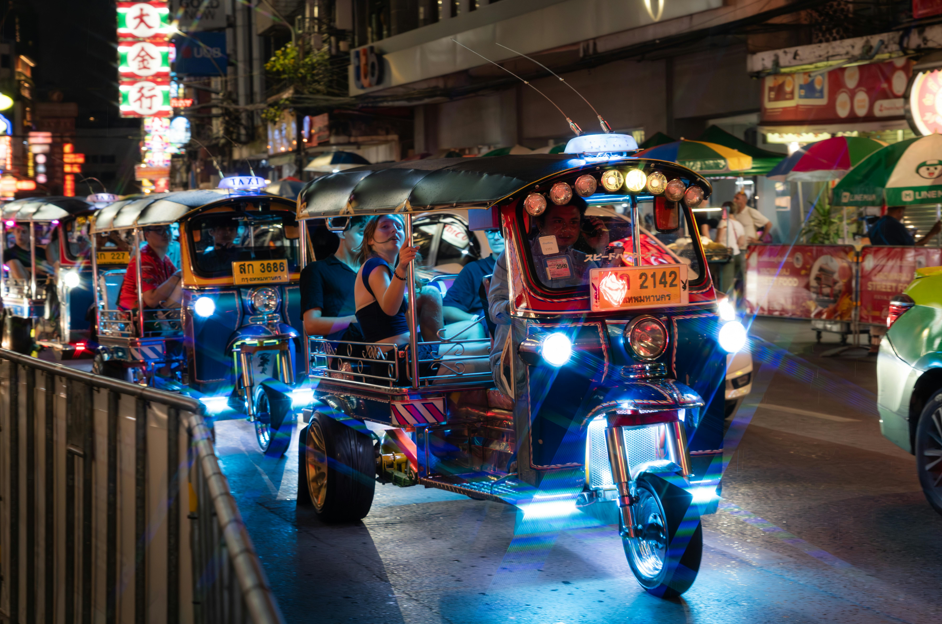
Plan your Bangkok trip with real itineraries for 1, 3, 5, and 7 days. Tactical routing, honest budget breakdowns, transport hacks, food strategy, and what first-timers always get wrong. Bangkok is a city that punishes lazy planning and rewards anyone who understands how it actually moves. This is the tactical guide: real pacing, real routing, real costs, zero filler.
Bangkok runs five cities simultaneously inside one. There is the ancient temple city along the river. The gleaming mall city on the BTS grid. The loud, neon, chaotic street-food city that opens after dark. The quiet neighborhood city hiding behind every major road. And the rooftop city floating above all of it.
Most travelers only see one or two of these. This guide is built to show you more.
The city is not getting quieter. Tourism recovered fully through 2024 and 2025. Crowds are back. Traffic is back. The heat is relentless. But the food scene is better than it has ever been, the rail network has expanded, and Bangkok still delivers more experience per dollar than almost anywhere in the world.
1 day: Viable as a layover. You will see the Old City or Sukhumvit well. Not both.
3 days: The minimum to actually feel Bangkok. Temples, Chinatown, one market, one rooftop. Done right, this is enough for a strong first impression.
5 days: The sweet spot for first-time visitors. Covers everything essential. One slower day built in. A day trip if you want one.
7 days: For the curious and the unhurried. Bangkok rewards this if you stop treating it like a checklist and start treating it like a city you are temporarily living in.
Beyond 7 days: Many first-time visitors prefer combining Bangkok with another Thai destination after a week. Chiang Mai, Pai, or a southern island gives the trip contrast and prevents any single city from blurring into repetition.
Bangkok at 6 AM is a different city. The monks walk in saffron lines through residential sois. Market vendors set out fresh batches of khao tom. The air is still relatively cool. The temples are almost empty. The BTS platforms are quiet enough to read the map.
Everything changes by 09:00.
The travelers who sleep until 09:00, eat a slow hotel breakfast, and head to the Grand Palace at 11:00 spend two hours queuing in 38-degree heat surrounded by large tour groups. The traveler who arrives at 08:00 walks straight in.
Bangkok’s itinerary logic follows the sun. Before it peaks, you move. When it peaks (13:00 to 15:00), you find air conditioning. After it drops, you move again.
This is not optional advice. It is the structure everything else is built around.
The most common Bangkok accommodation mistake: choosing a hotel based on neighborhood name recognition instead of rail proximity.
Best area to stay for first-time visitors: Lower Sukhumvit, between BTS Asok and BTS Phrom Phong. Central, safe, surrounded by food at every price point, and directly on the BTS grid.
Budget travelers: Khao San Road has the cheapest beds and the most social energy. Acknowledge the tradeoff: it is not connected by rail. Daily commuting to the rest of Bangkok costs more time and money than most travelers expect.
Mid-range travelers: Thong Lo (BTS Thong Lo) offers neighborhood feel, excellent food scene, walkable cafe culture, and direct BTS access. Slightly quieter than central Sukhumvit.
Couples: Riverside hotels along the Chao Phraya give the most atmospheric setting. Expect longer travel times to non-riverside attractions.
Families: Phrom Phong or On Nut BTS zone. Easy access to Emporium mall, kid-friendly food, less aggressive foot traffic than Nana or Asok.
Bangkok itinerary using BTS only: Stay between BTS Chong Nonsi (Silom Line) and BTS Asok (Sukhumvit Line) for maximum coverage without ever needing a taxi.
Check best areas to stay in Bangkok detailed guide here.
Do this before you leave your hotel on Day 1.
BTS Skytrain: Runs 05:15 to midnight daily. Fares: 17 to 65 THB depending on distance. Distance-based pricing replaced the flat-fare system in late 2025. Avoid 07:00 to 09:00 and 17:00 to 19:00 on weekdays.
MRT: Connects areas the BTS does not reach: Chinatown (Wat Mangkon station), Chatuchak, Lumphini. Fares: 17 to 45 THB. As of 2025/2026, tap in and out of MRT Blue, Purple, Yellow, and Pink lines with a contactless Visa or Mastercard. No token queue. Same physical card in and out.
Chao Phraya Express Boat: The most underused tourist move in Bangkok. Orange-flag express boats connect Saphan Taksin BTS, Asiatique, Chinatown, and the Grand Palace zone. Cost: around 15 THB per trip. Tourist day pass: around 200 THB for unlimited hops. Faster than any road vehicle for riverside destinations.
Grab: Fixed pricing, no negotiation. Install before landing. Bolt is a useful backup and sometimes cheaper on shorter rides.
Motorbike taxis (orange vests near BTS stations): for last few hundred meters when walking is too slow. Negotiate 20 to 40 THB for short hops.
Tuk-tuks: One ride as a sensory experience, then use Grab. They are not transport. They are tourism.
Pick one zone and commit. Old City plus Chinatown is the strongest single-day Bangkok story.
07:30 to 11:00: Temples before the heat
Start at Wat Pho. Entry: 200 THB. The reclining Buddha is 46 meters long and covered in gold leaf. Arrive at opening. You will have it mostly to yourself for the first 45 minutes.
Take the short river ferry from Tha Tien pier to Wat Arun: 5 THB per crossing. The ceramic-encrusted spires look completely different up close than in photographs. The climb is steep. The view is worth it. Entry: 100 THB.
Return across the river and take a short tuk-tuk to the Grand Palace complex. Entry: 500 THB. Budget 60 to 90 minutes. Dress code strictly enforced: knees and shoulders covered.
11:30 to 14:00: Eat, cool down, do not push it
The heat between 12:00 and 14:00 in Bangkok is genuinely punishing. Many first-time travelers overdo temples early, skip hydration, then spend the evening exhausted in the hotel. Do not be that traveler.
Find a wok stall near Pak Khlong Talat flower market for lunch. Pad kra pao (basil stir-fry with rice and fried egg) costs 60 to 80 THB. Order something cold.
Then sit somewhere air-conditioned for at least 90 minutes. A cafe, a 7-Eleven, anything. Rehydrate. Your afternoon depends on this.
15:30 to 18:00: Chinatown approach
Take the MRT to Wat Mangkon station. The neighborhood wakes up as the sun drops. Walk Yaowarat Road slowly. Stop at an egg tart shop. Try fresh tofu dessert from a street cart. Photograph the neon signs and gold facades.
18:30 onwards: Chinatown after dark
This is the main event. Oyster omelettes (hoi tod), grilled river prawns, roast duck on rice, crab fried rice, mango sticky rice. Eat across multiple stalls. Budget 300 to 500 THB for a full street-food dinner.
For a drink afterward, Grab to Silom. One cocktail at a rooftop with Bangkok skyline views costs 400 to 700 THB. Worth it once.
1-Day Budget:
| Category | Cost |
|---|---|
| Temple entries | 800 THB |
| Food and drinks | 500 to 700 THB |
| Transport | 200 to 300 THB |
| 1 rooftop cocktail | 500 THB |
| Total | ~2,000 to 2,300 THB ($58 to $67) |
Three days is the most common Bangkok itinerary length. Done right, it leaves you satisfied. Done wrong, it leaves you exhausted and slightly sick.
The logic: One zone per day. Old City, Sukhumvit, Chatuchak or Chinatown. Cluster tightly. Never bounce across the city.
Follow the 1-day itinerary above. Add Wat Saket (the Golden Mount) late afternoon if energy allows. Entry: 20 THB. The hilltop view of Bangkok’s skyline at golden hour is consistently underrated and almost always quiet compared to the main temple circuit.
End in Chinatown. Return to your hotel by Grab. You have done enough.
08:00: Breakfast at Pier 21 (Terminal 21, BTS Asok)
Terminal 21’s basement food court serves excellent local Thai food for 50 to 80 THB per dish. It opens early, is air-conditioned, and does not feel like a tourist trap because it largely isn’t one. Local office workers eat here every day.
10:00 to 13:00: Siam area
Take BTS to Siam. Bangkok’s most connected station. The Bangkok Art and Culture Centre (BACC) has free entry and rotating contemporary Thai art exhibitions. Worth 30 minutes.
Siam Square (the streets behind the malls) is Bangkok’s youth culture hub. Independent boutiques, small Thai designers, good street food, very different energy from the Old City.
13:00 to 15:30: Mandatory massage break
Not optional on a Bangkok trip. 90-minute traditional Thai massage near any BTS stop: 250 to 350 THB. The Wat Pho massage school has licensed branches across the city and is consistently reliable.
Your legs are being punished by Bangkok’s uneven pavements, temple stairs, and distances. A massage is fatigue management, not indulgence.
16:30 to 22:00: Night market evening
Jodd Fairs (near MRT Thailand Cultural Centre or BTS Phetchaburi) is Bangkok’s most photogenic night market right now. Thai street food, live music, a strong local crowd. Open from around 17:00. Budget 300 to 500 THB eating across stalls.
For cocktails afterward, the Thong Lo and Ekkamai BTS corridor has Bangkok’s best craft bar concentration. Thai-spirit-forward cocktails using local rum, gin, and botanical infusions. Prices: 280 to 500 THB per drink.
Saturday or Sunday: Go to Chatuchak Weekend Market. BTS Mo Chit or MRT Chatuchak Park. Arrive before 10:30. 8,000+ stalls. Best sections: vintage clothing, Thai ceramics, handmade jewelry, the food zone near the central clock tower. Fresh coconut water, mango sticky rice, boat noodles. Budget 200 to 400 THB eating through two hours. Leave by 13:00 before the heat wins.
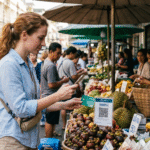
Weekday: Or Tor Kor Market (adjacent to Mo Chit BTS) is open daily and is consistently one of Bangkok’s best food experiences. Cleaner and more curated than most tourist markets. Fresh rambutan, green mango salad, steamed Chiang Mai sausage, freshly made curries. Almost no tourist pricing.
Evening: Chinatown again, or a sit-down Thai restaurant near your hotel. Supanniga Eating Room (Thong Lo branch) is a reliable mid-range pick. Baan Glom Gig for riverside atmosphere.
Five days lets Bangkok breathe. This is the itinerary that moves between the city’s personalities rather than just its landmarks.
Arrival days are not sightseeing days. Bangkok traffic from Suvarnabhumi to central Bangkok takes 45 to 90 minutes depending on time.
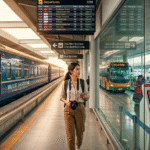
Take the Airport Rail Link (ARL) from Suvarnabhumi to Phaya Thai BTS station. 45 THB. Around 30 minutes. Then connect by BTS. Faster and cheaper than any taxi during daytime or early evening.
Check in. Walk the immediate neighborhood. Find one street food stall or food court for dinner. Bangkok comes to you on the first night. Do not chase it.
Follow the full Old City and river route from the 1-day itinerary. For a 5-day trip, you have more time. Add Wat Saket at golden hour. Walk through Rattanakosin Island’s streets rather than tuk-tuking between every stop.
The area between Wat Pho and the Grand Palace has small shophouses with cheap food, cold drinks, and a quiet that is rare in Bangkok. Take 20 minutes to sit somewhere and notice it.
End in Chinatown. Stay until at least 21:00.
Morning: Ari BTS
Ari is what Thong Lo was five years ago: independent cafes, local street food, small boutiques, tree-lined sois, almost no mass tourism. Get breakfast here. Strong Thai iced coffee with bread and pandan coconut spread at a local bakery: 60 to 120 THB. Walk the neighborhood for two hours. This is the Bangkok most itineraries miss entirely.
Afternoon: Lumphini Park
Take BTS or MRT to Lumphini. Walk, sit, watch the monitor lizards patrol the paths. The park in late afternoon fills with locals exercising, elderly residents doing tai chi, and office workers on the grass. One of the most genuinely local scenes in the entire city.
Evening: Silom
Dinner on a Silom soi away from tourist pricing. Silom Soi 20 and nearby streets have excellent traditional Thai food at shophouse prices.
Cocktails afterward at a Silom rooftop. For a better value and less staged experience than the famous options, check current highly-reviewed rooftops near BTS Chong Nonsi on Google Maps before going.
Option A: Amphawa Floating Market
Amphawa is the better floating market option over the heavily touristic Damnoen Saduak. Smaller, more authentic, with a weekend canal-side night market (Friday to Sunday evenings). The Saturday firefly boat tour after dark is a genuinely different experience.
Travel: around 1.5 hours from Bangkok by minivan from the Southern Bus Terminal near Mo Chit, or private Grab hire. Arrive before 10:00. Leave by 13:00. Back in Bangkok for a light afternoon.
Option B: Bang Krachao (The Green Lung)
An island of mangrove forests and farmland sitting inside a bend of the Chao Phraya, technically within Bangkok’s city limits. Take a 5 THB ferry from Klong Toey pier, rent a bicycle for 50 to 100 THB, and ride narrow paths through dense forest and orchid gardens.
Zero tourist infrastructure. Almost no English signage. A complete contrast to central Bangkok. Come back across the river by 15:00 before the heat peaks.
Option C: Jim Thompson House and Siam
The Jim Thompson House Museum (BTS National Stadium) is one of Bangkok’s most genuinely interesting cultural experiences. A preserved complex of traditional Thai wooden houses belonging to an American silk businessman who disappeared in Malaysia in 1967. Entry: around 200 THB. Tours run regularly. 90 minutes well spent.
Morning: Thong Lo or Ekkamai
Both BTS stops occupy Bangkok’s lifestyle belt. Good for a slow last morning. Weekend fresh market at Ekkamai. Coffee at an independent cafe. Street food breakfast from vendors on the sois behind the main road.
Afternoon: Final massage
90 to 120 minutes. 300 to 500 THB. Do this before your final dinner, not after.
Final dinner by budget:
Days 1 through 5: Follow the 5-day itinerary above.
The Dusit area is one of Bangkok’s most undervisited districts for tourists. Wide, tree-lined ceremonial boulevards, old royal administrative buildings, and a completely different pace from tourist Bangkok.
Morning: Walk Ratchadamnoen Avenue. Stop at local restaurants near the Democracy Monument for breakfast. Excellent cheap Thai food, no tourist pricing.
Midday: BTS to Victory Monument. A genuine Bangkok local hub with almost no tourist infrastructure. Boat noodle alley is here: a lane of small shophouses serving individual bowls of pork or beef noodles for 15 to 25 THB per bowl. Order 5 to 8 small bowls across different vendors. This is one of those Bangkok experiences that exists for locals and for travelers who did their research.
Evening: Pratunam area for budget shopping, then dinner in the Ratchathewi neighborhood.
Morning: Or Tor Kor Market at 06:00. Buy fresh fruit. Eat slowly. The right pace for a last morning in Bangkok.
Midday: Cooking class if you skipped it. Several well-reviewed operators run morning sessions with a market visit near the Old City. Book 48 hours ahead. Budget 1,500 to 2,500 THB.
Afternoon: Pack. Hotel pool if available. One last 7-Eleven iced coffee and pork skewer standing on the pavement.
Departure: ARL from Phaya Thai to Suvarnabhumi: 45 THB, 30 minutes. Budget at least 2.5 hours before your flight. Evening departures have the busiest platforms.
Based on verified 2026 pricing. Exchange rate: approximately 33 to 35 THB per 1 USD.
| Category | Backpacker | Mid-Range | Comfort |
|---|---|---|---|
| Accommodation | 400 to 700 THB | 1,200 to 2,500 THB | 3,500 to 8,000 THB |
| Food per day | 300 to 600 THB | 600 to 1,200 THB | 1,500 to 3,500 THB |
| Transport per day | 100 to 200 THB | 200 to 400 THB | 400 to 900 THB |
| Activities | 100 to 300 THB | 300 to 600 THB | 600 to 2,000 THB |
| Daily total | 900 to 1,800 THB (~$26 to $52) | 2,300 to 4,700 THB (~$67 to $136) | 6,000 to 14,400 THB (~$172 to $415) |
Street food dishes in local neighborhoods: 40 to 70 THB. The same dish in a tourist-heavy area: 100 to 180 THB. Step one street back from any landmark and prices drop sharply.
See also: Thailand ATM Fee Hacks | How to setup PromptPay and PAY&TOUR without a Thai ID
It is not the heat. It is not the traffic. It is not the scams.
It is Day 3.
Most Bangkok first-timers blow their energy on Days 1 and 2 because the city is intoxicating and everything feels unmissable. They overschedule. They skip the midday rest. They drink too much on the first night. They eat badly because they are too tired to make good decisions.
By Day 3, they are running on empty. The temples blur together. The markets stop looking interesting. The food stops being exciting. What was supposed to be the sweet spot of the trip becomes a managed survival exercise.
Why tourists burn out in Bangkok by Day 3:
The fix: one genuine slow window every two days. Eat before you think you are hungry. Accept that Bangkok at a slightly slower pace is still an overwhelming amount of city.
Bangkok is safe. It is also a city with a well-developed ecosystem of small financial cons aimed at tourists.
The Grand Palace is closed today: It almost never is. A stranger offering this information near the entrance is directing you to a tuk-tuk tour ending at a gem shop. Walk past. Go in.
The gem investment opportunity: A persuasive local explains a government gem sale happening today only. Buy below market. Sell at home for profit. The gems are worthless or significantly overvalued. One of the most financially damaging tourist scams in Asia.
The tuk-tuk sightseeing tour: Any tuk-tuk offering multi-temple tours at suspiciously low prices includes mandatory stops at commission shops. Not dangerous, but it wastes 60 to 90 minutes.
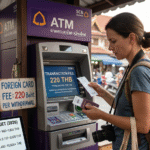
ATM fees: Use ATMs inside bank branches or malls. Most Thai ATMs charge a 220 THB flat foreign withdrawal fee. Withdraw 3,000 to 5,000 THB at a time to reduce per-baht fees. Standalone street machines carry higher skimming risk.
See also: Full Bangkok scams and safety guide.
Bangkok is excellent for couples because the variety of experience types means you can calibrate each day to different moods.
Best couple experiences to build into any Bangkok itinerary:
Not every Bangkok visitor wants to stay out past midnight. The city is just as good for travelers who prefer to be in bed by 22:00.
Early evening alternatives:
Bangkok’s food, culture, and wellness experience are fully available to travelers who do not want clubs or late-night street markets. The city does not require nightlife to be worthwhile.
Bangkok with children is manageable and often excellent. Thai people are genuinely warm toward children and the city’s infrastructure is family-functional.
Key adjustments:
Bangkok’s rainy season does not mean days of grey drizzle. It typically means one to two hours of heavy, efficient afternoon rain, usually 14:00 to 17:00, followed by clear skies and a cooler evening.
Strategic adjustments:
Install all of these before landing.
| App | Use |
|---|---|
| Grab | Ride-hailing. Primary transport for non-rail routes. |
| Bolt | Alternative to Grab. Sometimes cheaper on short rides. |
| Google Maps | Route planning across BTS, MRT, boat. Download offline Bangkok map. |
| Bangkok MRT official app | Route planning on MRT lines. |
| XE Currency | Quick THB conversions in the field. |
| Agoda or Booking.com | Last-minute hotel changes or day-of-arrival upgrades. |
eSIM: AIS, True Move H tourist SIMs are available at Suvarnabhumi Airport arrivals. 15 to 30-day plans with good data: 299 to 499 THB. Buy at the airport for immediate activation and in-person troubleshooting.
See also: Thailand eSIM/SIM card guide
More than you expect, but less than you would need in most cities.
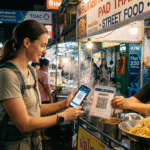
Bangkok’s digital payment adoption is growing fast in 2026, but street food vendors, market stalls, local temples, and motorbike taxis are still almost exclusively cash.
Practical cash rule: Carry 500 to 1,000 THB per person per day. Withdraw from bank-branch ATMs (Bangkok Bank, Kasikorn Bank, SCB) rather than standalone machines. Thai ATMs typically charge a 220 THB flat foreign withdrawal fee regardless of amount. Withdraw 3,000 to 5,000 THB at a time to reduce per-baht fees.
Always requires cash: Street food stalls, market vendors, motorbike taxis, most tuk-tuks, temple entrance fees at smaller temples, local ferry boats.
Accepts contactless card: BTS Skytrain (at newer gates), MRT (most lines via Visa/Mastercard tap), Grab (in-app), most malls and sit-down restaurants.
Clothing: Lightweight breathable fabrics only. At least one outfit with covered shoulders and knees for temples. Comfortable walking sandals. Compact umbrella.
Carry every day: Power bank. Reusable water bottle (refill at 7-Eleven: 1.5L for 14 THB). Small pack of tissues. Electrolyte sachets. 500 to 1,000 THB cash minimum.
Health: Sunscreen SPF 50+. Insect repellent for parks and outdoor evening markets. Antihistamines. Prescription medication in original packaging. Blister plasters.
Tech: Universal adapter (Thailand uses Type A, B, C sockets). eSIM or plan to buy airport SIM. Travel card with no foreign transaction fees (Wise or Revolut work reliably).
Etiquette: Remove shoes before temples and many local shophouses. Do not point feet at Buddha images. Dress code at temples is enforced. The Thai monarchy is deeply respected. Avoid negative comments about the royal family in any public setting.
How many days is ideal for Bangkok as a first-time visitor? Five days. Long enough to cover the essentials without feeling rushed, short enough to leave before the city blurs.
What is the best area to stay in Bangkok for first-time visitors? Lower Sukhumvit, between BTS Asok and Phrom Phong. Central, safe, excellent food at every price, directly on the BTS grid.
How much money do I need per day in Bangkok? Backpackers: 900 to 1,800 THB per day. Mid-range: 2,300 to 4,700 THB. Street food dishes cost 40 to 70 THB at local stalls, 100 to 180 THB in tourist zones.
Can I use a credit card in Bangkok? For malls, restaurants, hotels, and MRT: yes. For street food, local markets, ferries, and smaller temples: bring cash.
Is Bangkok safe for solo travelers? Yes. The primary risks are financial scams and petty theft in crowded markets. Standard urban awareness applies.
What is the best time of year to visit Bangkok? November to February: coolest, driest, most popular, highest prices. March to May: extreme heat. June to October: rainy season, lower prices, fewer crowds, afternoon rains that typically clear quickly.
How do I get from Suvarnabhumi Airport to Bangkok? Airport Rail Link to Phaya Thai BTS station. 45 THB. Around 30 minutes. Connect by BTS from there. Faster and cheaper than any taxi during daytime or early evening.
What should I not miss in Bangkok? Wat Pho, Wat Arun at sunrise or sunset from across the river, the Grand Palace, Chinatown after dark, and one rooftop bar experience. Chatuchak Weekend Market if your trip includes a Saturday or Sunday.
What is worth skipping in Bangkok? Damnoen Saduak Floating Market (heavily touristic, poor value for the travel time). Most tuk-tuk sightseeing tours. Overpriced food on Khao San Road. Any gem shop approached via a tuk-tuk driver.
Bangkok is not a city you finish. It is a city you get better at.
Plan the route. Cluster by neighborhood. Start early. Rest at noon. Eat everything you can. Come back at sunset when the city shifts gear and the street food carts light up.
For a first visit, the goal is not to see everything. The goal is to leave understanding what kind of city Bangkok actually is. Because when you do, you start planning the second trip before you have even boarded the flight home.
RoamRiot. Tactical roaming for people who actually want to go.
Explore more: Bangkok street food guide | Bangkok transport guide | Best Bangkok areas to stay in | Best rooftop bars Bangkok | Bangkok scams and safety guide | Thailand eSIM/SIM card guide | Bangkok 3-5 Days Itinerary