Physical Address
304 North Cardinal St.
Dorchester Center, MA 02124
Physical Address
304 North Cardinal St.
Dorchester Center, MA 02124

Bangkok Health and Wellness Tourism - Discover Bangkok’s health and wellness scene, from JCI-accredited hospitals and affordable dental care to Thai massage, spa retreats, health checkups, meditation, and medical tourism costs.
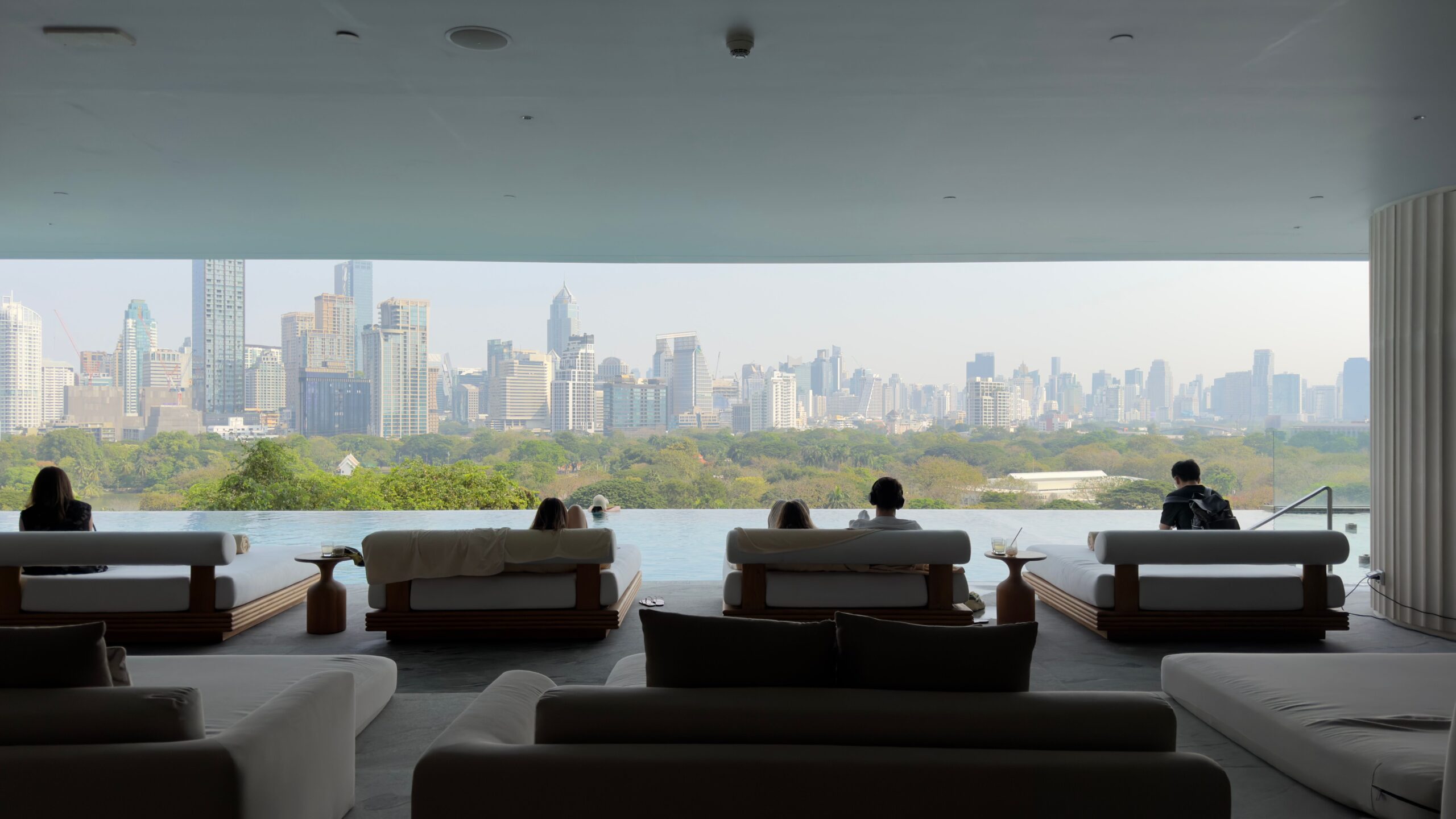
“Bangkok Health and Wellness Destination” does not fit the postcard idea. There is no infinity pool floating above a jungle canopy on the cover of this story. Instead there is a city of ten million people, a skytrain that never stops moving, and a private hospital network built specifically to treat patients who fly in from outside Thailand’s borders.
That is the paradox that makes Bangkok interesting. It is loud, humid, chaotic in places, and somehow also home to some of the most internationally accredited hospitals in Asia, a 700-year-old massage tradition recognized by UNESCO, and a spa culture so mature that five-star hotels build entire wings around it. Bangkok wellness travel and Bangkok medical tourism are not marketing categories invented for Instagram. They form a genuine economic sector, tracked by the Tourism Authority of Thailand, insured by international medical networks, and inspected by government regulators.
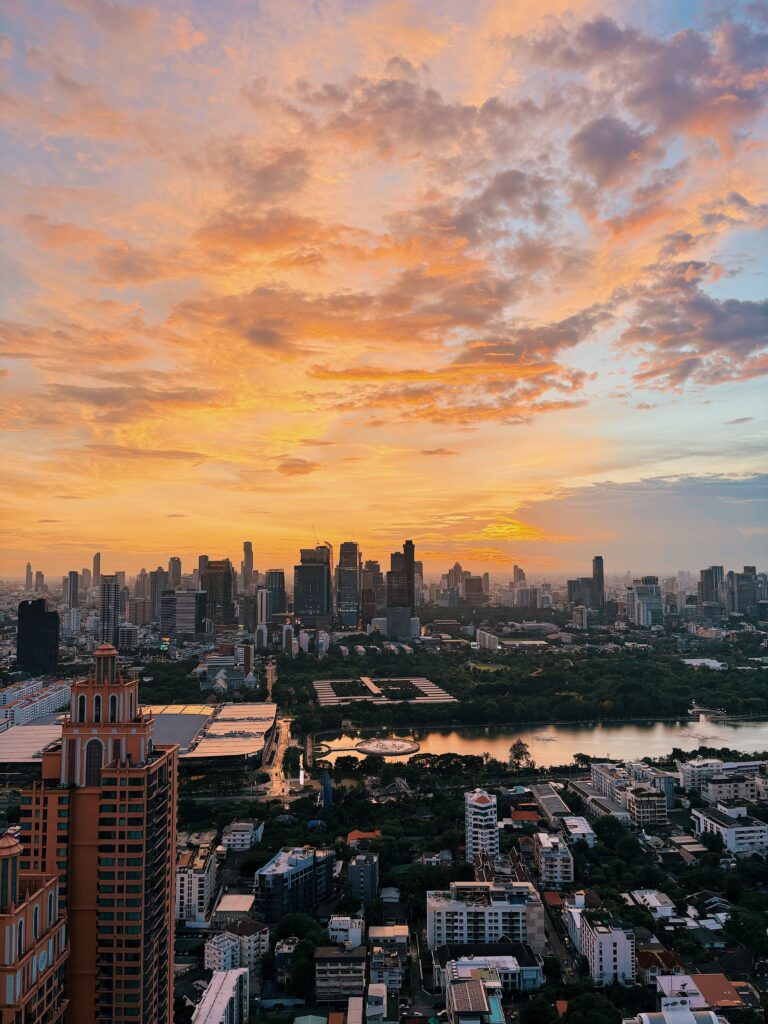
This guide covers the entire spectrum: JCI-accredited hospitals and what that accreditation actually means, dental tourism costs broken down by procedure, executive health checkups, physiotherapy and orthopedic recovery, traditional Thai massage and how it is regulated, luxury wellness resorts, meditation and mental wellness options, aesthetic clinics, and the visa and insurance mechanics that make it all possible. Prices, accreditation status, and visa rules change. Always confirm current details directly with the hospital, clinic, or Thai embassy before booking anything. So what do prices look like for a Bangkok Health and Wellness trip?
| Category | Approximate Cost Range (USD) | Typical Duration | Best For | Ideal Traveler |
|---|---|---|---|---|
| Basic health checkup | $118 – $160 | Half day | General screening, peace of mind | First-time visitors, short layovers |
| Executive health checkup | $370 – $830 | 3–5 hours | Ages 30–50, preventive care | Business travelers, expats |
| Comprehensive/senior checkup | $940 – $1,275 | 4–8 hours | Ages 50+, advanced screening | Long-stay retirees, chronic condition monitoring |
| Single dental implant + crown | $1,100 – $2,500 | 2 visits, 3–6 months apart (or 10–14 days with immediate loading) | Missing teeth, restoration | Patients able to plan two trips or a longer single stay |
| Dental crown | $200 – $700 | 1–3 days | Damaged or weakened teeth | Anyone needing restorative work |
| Porcelain/zirconia veneers | $250 – $600 per tooth | 3–7 days | Cosmetic smile correction | Cosmetic dental tourists |
| Clear aligners (Invisalign-type) | $1,800 – $2,500 | Multiple visits over months, remote monitoring possible | Mild to moderate misalignment | Longer-stay or return visitors |
| Traditional Thai massage | $10 – $35 per session | 1–2 hours | Muscle tension, circulation, relaxation | Nearly everyone |
| Spa day package | $60 – $250 | Half day to full day | Deep relaxation, skin treatments | Leisure travelers |
| Wellness resort stay (per night) | $150 – $1,200+ | 3–14 nights | Structured detox, fitness, mindfulness programs | Travelers building a trip around wellness |
| Physiotherapy/rehab session | $30 – $90 per session | 45–60 minutes | Post-surgical or sports recovery | Orthopedic patients, athletes |
| Meditation retreat (temple-based) | Free (donation-based) to $200+ | 1 day to 10 days | Stress relief, mindfulness training | Independent travelers comfortable with structure |
| Cosmetic/aesthetic clinic treatment | $100 – $3,000+ depending on procedure | Single session to multi-day | Skin, hair, minimally invasive aesthetics | Varies widely by treatment |
Figures reflect commonly cited 2025–2026 ranges from hospital price lists, clinic quotes, and medical tourism aggregators. Prices vary by provider, complexity, and season. Verify current pricing directly with the hospital or clinic before booking, and always confirm what is included (consultation, imaging, materials, follow-up) versus billed separately.
Bangkok’s rise in wellness tourism did not happen overnight, and it did not happen by accident either. Thailand’s wellness economy reached an estimated $42.7 billion in 2024, and the government has made healing-focused tourism a formal national priority. At the June 2026 Thailand Travel Mart, TAT reported Thailand had welcomed more than 14 million international visitors by early June, generating around 679 billion baht in tourism revenue, with 33 million arrivals and 2.65 trillion baht in projected tourism revenue for the full year.
Wellness is a specific and growing slice of that. Asia recorded 563 million wellness trips in 2024, ahead of Europe’s 348 million, and the region is growing wellness revenue at roughly 31% a year. Thailand’s own wellness sector rebounded from a pandemic low of $31 billion in 2020 back to around $43 billion in 2024, making it the ninth-largest wellness market in Asia-Pacific. Thailand is hosting the Global Wellness Summit in Phuket in November 2026, its 20th anniversary edition, expected to draw more than 600 industry leaders, and TAT has positioned “Healing is the New Luxury” as a core 2026 marketing theme.
Three forces converge to make Bangkok specifically, rather than Thailand generally, the epicenter:
Healthcare infrastructure concentration. Bangkok is home to the country’s largest hospital groups, the most JCI-accredited facilities, and the highest density of specialist doctors trained internationally.
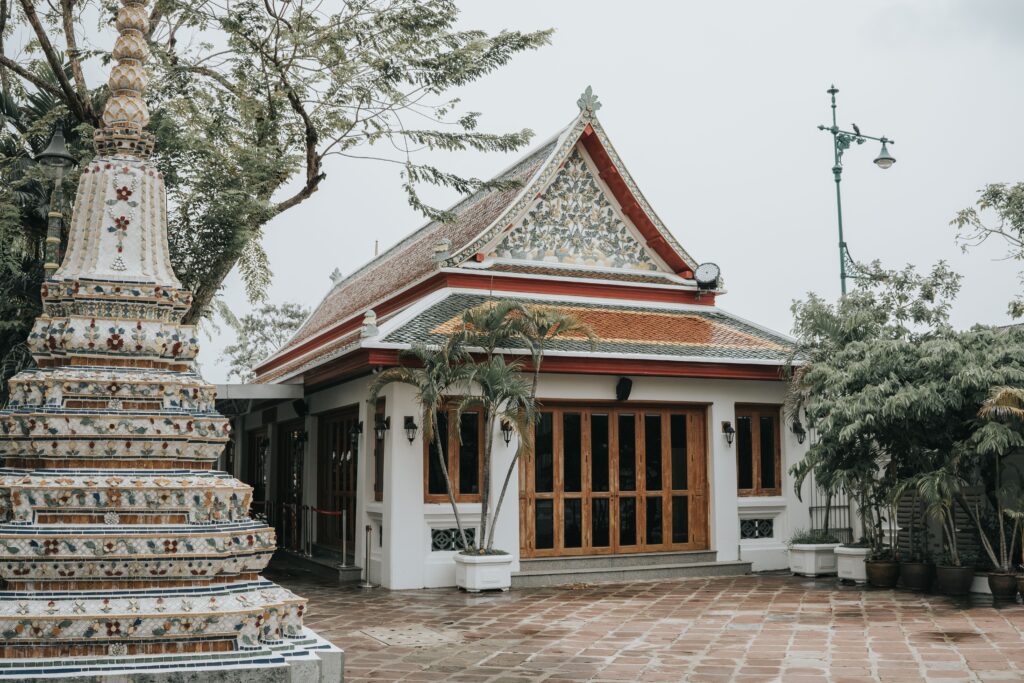
Traditional medicine heritage. Thai traditional massage traces its documented lineage to stone inscriptions of King Ramkhamhaeng dated to 1357, and Wat Pho has functioned as the country’s first traditional medicine school since 1955, itself building on a curriculum ordered by King Rama I in the early 1800s. That heritage was formally recognized on the UNESCO Intangible Cultural Heritage list as Nuad Thai.
Cost structure. Even accounting for flights and accommodation, most procedures in Bangkok run 50 to 80 percent below equivalent private care in the US, UK, or Australia, a gap wide enough to fund the entire trip.
These terms get used interchangeably, and that muddies expectations. They are related but distinct categories, and Bangkok happens to excel at both, which is part of why the city confuses first-time researchers.
Wellness tourism centers on maintaining or enhancing health in people who are not sick. Spa treatments, traditional massage, yoga, meditation retreats, nutrition programs, and fitness travel all fall here. The goal is prevention, stress reduction, and restoration.
Medical tourism involves travel specifically to receive a defined medical or dental treatment, often one that is expensive, has a long wait time, or is unavailable at home. Dental implants, orthopedic surgery, cosmetic procedures, and executive health screenings sit in this category.
Health tourism is often used as an umbrella term covering both. In practice, most travelers to Bangkok blend elements of each: a dental implant procedure bookended by massage, hotel spa time, and a few days of ordinary sightseeing. That blended trip structure is precisely what makes Bangkok distinctive. Few destinations let you combine a JCI-accredited surgical procedure with a 700-year-old massage tradition and a rooftop yoga session overlooking the Chao Phraya River within the same 10-day itinerary.
Price alone does not explain Bangkok’s pull. Within the broader Thailand wellness tourism landscape, several concrete, comparable factors keep pulling patients and wellness travelers back to Bangkok specifically, and they are worth understanding before weighing it against alternatives like Istanbul, Seoul, or Mexico City.
Shorter waiting times. Where a routine specialist consultation or elective procedure can mean a multi-month wait in a public system back home, Bangkok’s private hospitals typically schedule within days.
Internationally trained specialists. Many senior doctors at Bangkok’s leading hospitals trained or held fellowships in the US, UK, Australia, or Europe before returning to practice in Thailand.
English-speaking hospitals with dedicated international patient departments. This is not a courtesy add-on. It is a structured department with coordinators, interpreters, and a workflow built specifically around foreign patients navigating an unfamiliar system.
Transparent package pricing. Rather than itemized surprise billing, many Bangkok hospitals and clinics quote a bundled price covering consultation, procedure, and a defined follow-up window, which makes Bangkok affordable healthcare easier to actually budget for.
Integrated recovery. Hotels and wellness resorts near major hospitals increasingly coordinate directly with medical teams on post-procedure recovery, turning downtime into something closer to Bangkok holistic wellness than dead time in a hotel room.
Structured follow-up care. Reputable hospitals offer teleconsultations after patients return home, which matters more than almost anything else once you have left the country.
Regional access. Bangkok functions as Southeast Asia’s primary aviation hub, which matters for return visits, staged treatment plans, and simply getting there in the first place.
A mature spa, massage, and resort infrastructure. Few medical tourism destinations pair clinical care this directly with a wellness retreat Bangkok travelers can build an entire second half of the trip around.
Joint Commission International (JCI) accreditation is widely treated as the global benchmark for hospital safety and quality, and for good reason: it requires hospitals to meet over 1,200 patient safety and care standards, re-verified every three years to maintain accreditation. Thailand leads Southeast Asia in this respect, with 65 JCI-accredited healthcare organizations as of 2026, more than any other country in the region.
A JCI seal does not guarantee a specific outcome, and it is not a substitute for researching the individual surgeon or specialist handling your case. What it does confirm is that the institution around that specialist, from infection control to medication management to emergency protocols, has been independently audited against an internationally recognized standard.
| Hospital | Notable Facts | Known Strengths |
|---|---|---|
| Bumrungrad International Hospital | 580-bed facility treating over 1.1 million patients annually from 190 countries; founded 1980, JCI-accredited since 2002- the first hospital in Asia to earn JCI accreditation | Broad specialty coverage, large international patient center, extensive interpreter network |
| Bangkok Hospital (Bangkok Hospital Headquarters) | Awarded its 6th consecutive JCI accreditation, current through February 2026; part of the wider BDMS network | Cardiac care, general specialties, large domestic network |
| Bangkok Dusit Medical Services (BDMS) network | Thailand’s largest private hospital operator, with 58 hospitals and more than 8,400 beds; 11 hospitals within the group hold JCI accreditation | Scale, network referrals, ~40% international patient share group-wide |
| Samitivej Sukhumvit Hospital | Established 1979, located on Sukhumvit Soi 49 in Thonglor; fully JCI-accredited | Family medicine, pediatrics, central location |
| Vejthani Hospital | 263-bed JCI-accredited hospital in Bang Kapi, established 1994; performed over 10,000 joint replacements; serves 300,000+ patients from 100+ countries annually | Orthopedics, joint replacement, fertility |
| BNH Hospital | Founded 1898 in the Silom–Sathorn business district, one of Thailand’s oldest private hospitals | Women’s health, family medicine, central diagnostics |
How to verify accreditation yourself: Do not take a clinic’s word for it. Check the hospital’s own accreditation page, and cross-reference against JCI’s public directory. Accreditation dates matter, since certifications expire and are renewed on a cycle, and a hospital can let one lapse.
Questions to ask before booking any hospital or clinic:
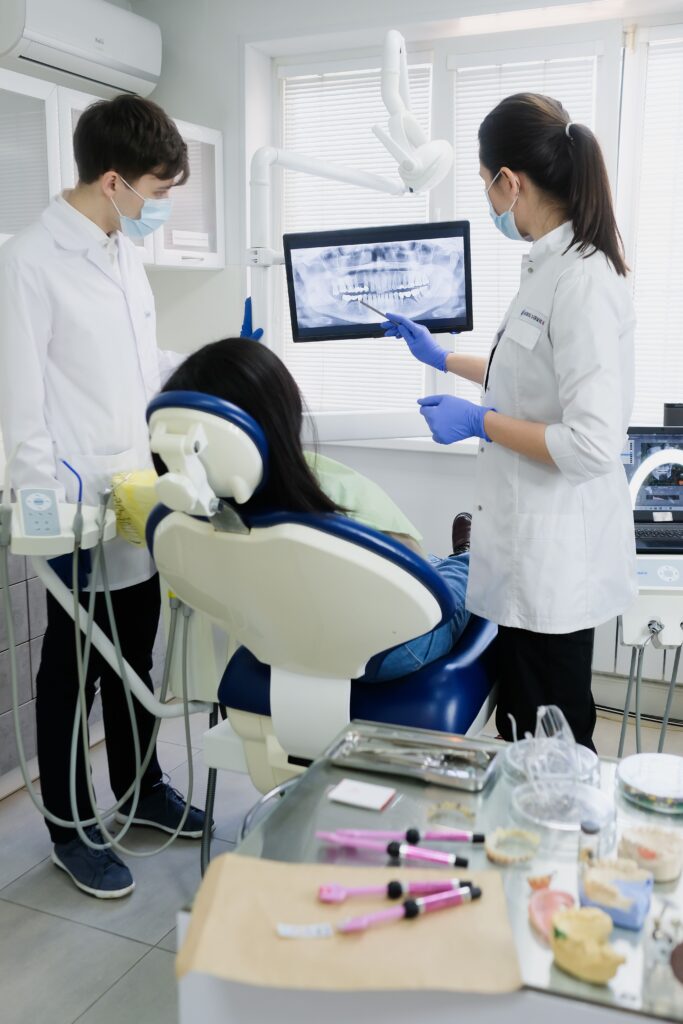
Bangkok dental tourism is arguably the city’s most mature wellness export. Thailand’s dental sector serves patients from Australia, the UK, the Gulf states, and increasingly India, and Bangkok concentrates the country’s most established clinics.
| Procedure | Typical Bangkok Price (USD) | Typical US/UK/Australia Price (USD) | Approximate Savings |
|---|---|---|---|
| Routine check-up and cleaning | $10 – $25 | $150 – $300 | 80–90% |
| Porcelain-fused-to-metal crown | $200 – $300 | $1,000 – $1,500 | 70–80% |
| Zirconia/E.max ceramic crown | $300 – $600 | $1,200 – $2,000 | 65–75% |
| Single dental implant with crown | $1,100 – $2,500 | $3,000 – $6,500 | 55–75% |
| All-on-4 full arch restoration | $10,000 – $15,500 per arch | $20,000 – $35,000+ per arch | 40–60% |
| Porcelain/composite veneer | $250 – $600 per tooth | $1,000 – $2,500 per tooth | 60–75% |
| Clear aligners (full treatment) | $1,800 – $2,500 | $4,000 – $8,000 | 55–65% |
| Metal braces (full treatment) | $1,000 – $1,500 | $3,000 – $7,000 | 60–70% |
Ranges compiled from multiple Bangkok dental clinic price lists and medical tourism cost aggregators current as of 2026. Exact pricing depends on implant brand, crown material, case complexity, and clinic. Confirm a written, itemized quote before committing, and ask what the warranty covers.
Premium implant brands like Straumann from Switzerland and Neodent, part of the Straumann Group, are commonly used by top Bangkok clinics, alongside Korean and other Asian systems that cost less but still meet international manufacturing standards. Some established clinics have operated in Bangkok for decades. Thantakit International Dental Center, for example, has been serving patients in Bangkok for more than 80 years, and offers structured warranty programs on implant work.
A note on timing: implant treatment traditionally requires two trips, one for placement and healing, a second three to six months later for the final crown. Some Bangkok clinics now offer immediate-loading protocols that compress this into a single extended stay of 10 to 14 days. If your schedule only allows one trip, ask specifically whether your case qualifies for immediate loading before you book flights.
Find the Best Bangkok Itineraries here along with Bangkok Travel Costs & Complete Budget Breakdown.
Bangkok’s executive health checkup industry is arguably the most underrated part of the city’s wellness offering. It is fast, thorough, and dramatically cheaper than equivalent screening in most Western countries. Bumrungrad alone performs 620,000+ health screenings annually, one of the largest dedicated check-up operations in Southeast Asia.
| Tier | Typical Age Range | Duration | Approximate Cost (USD) | Includes |
|---|---|---|---|---|
| Basic/Regular checkup | Any adult | 1–2 hours | $118 – $160 | Blood work, physical exam, basic screening |
| Executive checkup | 30–50 | 3–4 hours | $370 – $830 | Adds cardiac screening, imaging, organ function tests |
| Comprehensive/Senior checkup | 50+ | 4–8 hours | $940 – $1,275 | Adds cancer markers, advanced imaging, specialist consultations |
| Specialized programs (e.g. cancer gene screening) | Varies | Half day to full day | Up to $2,400+ | Genetic and advanced diagnostic panels |
Cost figures reflect 2026 pricing at major Bangkok hospitals including Bumrungrad, converted from baht. Compare against a US average basic checkup cost of roughly $397. Confirm current package inclusions directly with the hospital, since names and contents (Executive, Comprehensive, Comprehensive Advance, Premium Life) vary between institutions.
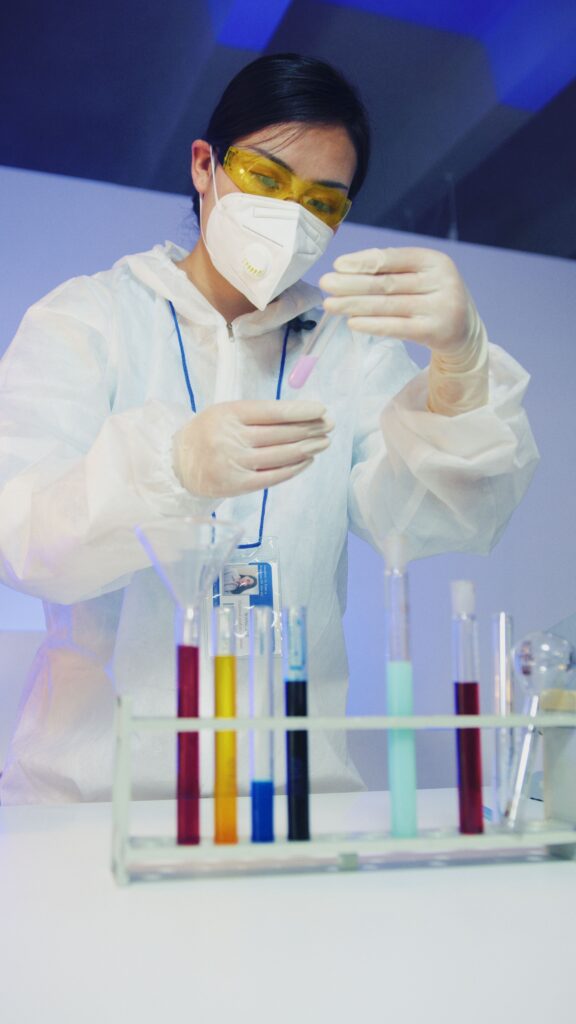
Most packages include same-day or next-day results, English-speaking staff, and a follow-up consultation with a physician to walk through findings. Fasting for 8 to 12 hours before blood draws is standard, so book morning slots.
Who this is genuinely useful for: business travelers with layovers or short stops in Bangkok, expats without home-country insurance coverage, retirees managing chronic conditions who want a comprehensive annual screening without the wait times common in public systems back home, and anyone whose home healthcare system makes preventive screening expensive or slow to access.
Who should be cautious: anyone with a known complex condition should have their existing specialist review the checkup scope beforehand, since a generic package may not screen for what actually matters in their case. This is general information, not personalized medical advice. Always consult a qualified physician about what screening is appropriate for your individual health history.
Orthopedic care is one of Bangkok’s clinical strengths, anchored by hospitals like Vejthani, known locally as the “King of Bones” for having performed over 10,000 joint replacement surgeries. Physiotherapy and rehabilitation services in the city range from hospital-based post-surgical programs to standalone sports medicine clinics catering to athletes and expats.
Typical physiotherapy sessions run roughly $30 to $90, well below equivalent private rehab costs in the US, UK, or Australia. This makes Bangkok a practical stop for combining a procedure (joint replacement, ligament repair, spinal treatment) with an extended recovery period, since hotel accommodation, in-home nursing, and follow-up physiotherapy all cost a fraction of home-country rates. Patients recovering from major orthopedic surgery should plan for a longer stay window, since rushing rehabilitation to catch an early flight home increases complication risk. Ask your surgical team for a realistic minimum recovery timeline before booking return flights.
This is where Bangkok’s wellness identity is most tangible, and most regulated, which surprises a lot of visitors who assume Bangkok massage and spa culture is entirely informal.
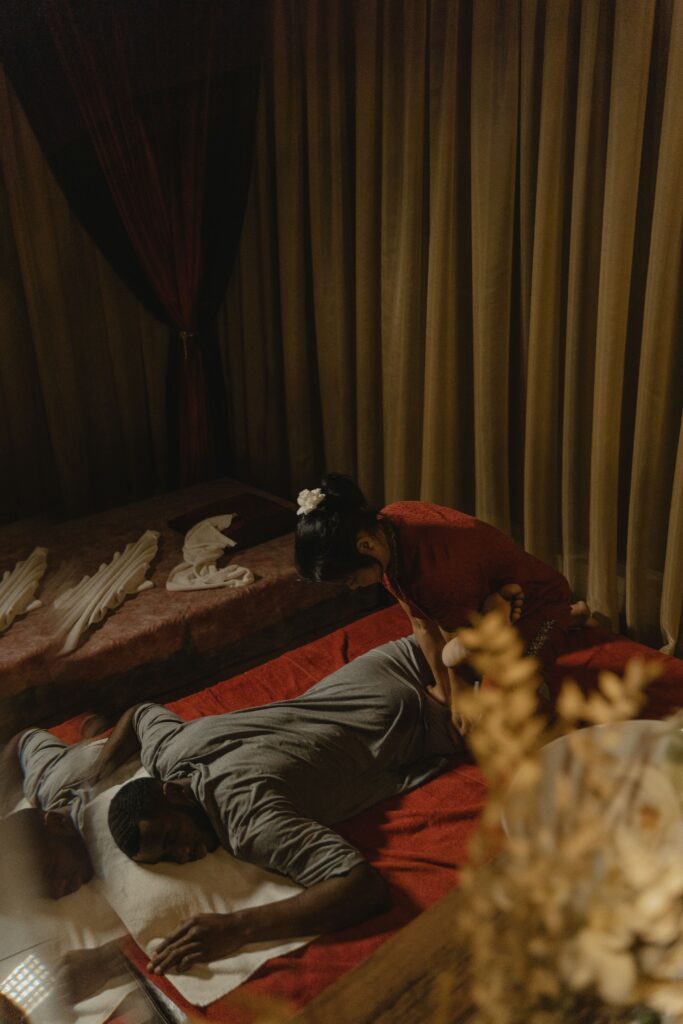
Worth separating up front, since the terms get used loosely: Traditional Thai massage is the structured, pressure-and-stretch practice rooted in the Wat Pho curriculum. Medical or rehabilitative massage is typically hospital-affiliated, delivered by a therapist coordinating directly with a physiotherapy plan. Spa massage, the kind found at hotel and resort spas, generally blends Thai technique with Western relaxation styles like aromatherapy and hot stone work. Only licensed therapists, registered with the Ministry of Public Health’s Department of Health Service Support, meet the formal 800-hour training standard described below. A storefront $8 foot rub can still be a genuinely pleasant experience, but it sits in a different regulatory category than a hospital’s medical massage program, which matters if you are combining massage with an existing injury or recovery plan.
Traditional Thai massage, or Nuad Thai, has documented roots stretching back to 1357, referenced in the stone inscriptions of King Ramkhamhaeng, and the practice was formally revived as a national institution when the Wat Pho Thai Traditional Medical and Massage School opened in 1955, the first Thai medical school approved by the Ministry of Education. In 2001, Thailand’s Ministry of Health formally recognized Thai massage as a branch of traditional Thai medicine, and in 2019 UNESCO added Nuad Thai to its Intangible Cultural Heritage list.
Regulation is real, if uneven. The Ministry of Public Health’s Department for Development of Thai Traditional and Alternative Medicine regulates massage venues and practitioners, and a licensed practitioner must complete at least 800 hours of training and register with the Department of Health Service Support (HSS). That said, as of 2018, of roughly 8,000 to 10,000 spa and massage shops in Thailand, only 4,228 were certified by the HSS, meaning plenty of storefront massage shops operate outside formal licensing. This is not necessarily unsafe, but it means credentials are worth glancing at if you want a therapeutic session rather than a purely casual one, particularly if you have an existing injury or medical condition.
| Type | What to Expect | Typical Price | Best For |
|---|---|---|---|
| Traditional Thai massage (streetside/local shop) | Firm pressure, stretching, fully clothed | $8 – $15/hour | Budget travelers, quick relief |
| Traditional Thai massage (Wat Pho or certified school) | Structured technique, licensed practitioners | $15 – $30/hour | Authenticity, therapeutic value |
| Thai oil massage | Softer pressure, aromatic oils, more relaxation-focused | $20 – $40/hour | Relaxation over deep tissue work |
| Foot massage/reflexology | Focused pressure-point work on feet and lower legs | $10 – $20/hour | Travelers on their feet all day |
| Hotel or resort spa package | Multi-treatment packages, private rooms, premium amenities | $60 – $250+ | Special occasions, deeper relaxation |
| Medical/rehabilitative massage (hospital-affiliated) | Therapist coordination with physiotherapy goals | $40 – $90/session | Injury recovery, chronic pain management |
A note on style: there are two traditional forms. Royal Thai massage keeps distance between therapist and client, using fingertips and applying more controlled pressure; folk-style massage, the kind most visitors experience at places like Wat Pho, is more direct and involves elbows, knees, and feet. If a stronger or gentler session is wanted, say “bao bao” (softly) in Thai, or simply ask in English; most trained therapists will adjust pressure on request.
Evidence on massage benefits is genuinely mixed depending on the outcome studied. Reasonable, well-supported claims include muscle relaxation, improved circulation, and short-term stress reduction. Claims about curing specific medical conditions through massage alone are not well supported and should be treated skeptically; anyone with a diagnosed condition should consult a physician rather than relying on massage as primary treatment.
Also Read: Best Things to Do in Bangkok for a deep dive into the best of what Bangkok has to offer.
Bangkok’s five-star hotel scene has increasingly built Bangkok luxury wellness into its core identity rather than treating the spa as an afterthought. Riverside resorts along the Chao Phraya, in particular, have leaned into extended treatment menus, dedicated wellness suites, and programs built around sleep, detox, or fitness rather than single spa visits.
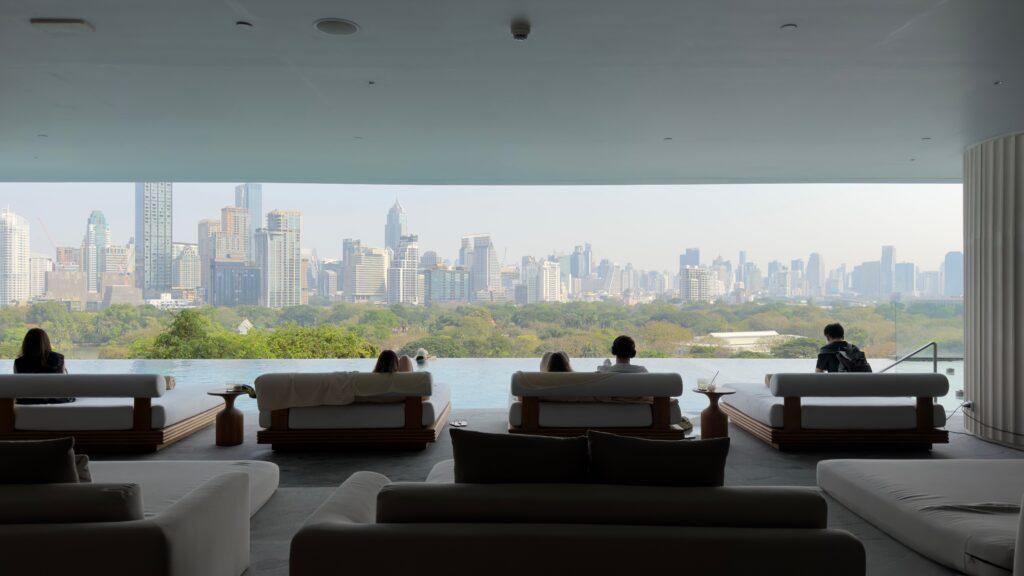
Expect resort-level wellness stays to run anywhere from around $150 a night for a well-reviewed boutique wellness hotel to well over $1,000 a night at flagship riverside luxury properties offering multi-day structured programs (sleep optimization, IV nutrient therapy, extended massage courses, private yoga). Multi-night wellness packages that bundle accommodation, meals, and a set number of treatments are often better value than booking each element separately, so compare bundled package pricing against a la carte before deciding.
Pro Tip: Use Klook to book hotels and accommodation instead regular popular platforms to get unbeatable deals and offers. You already know Klook is one of the best for booking activities too so you might as well grab a health spa session there.
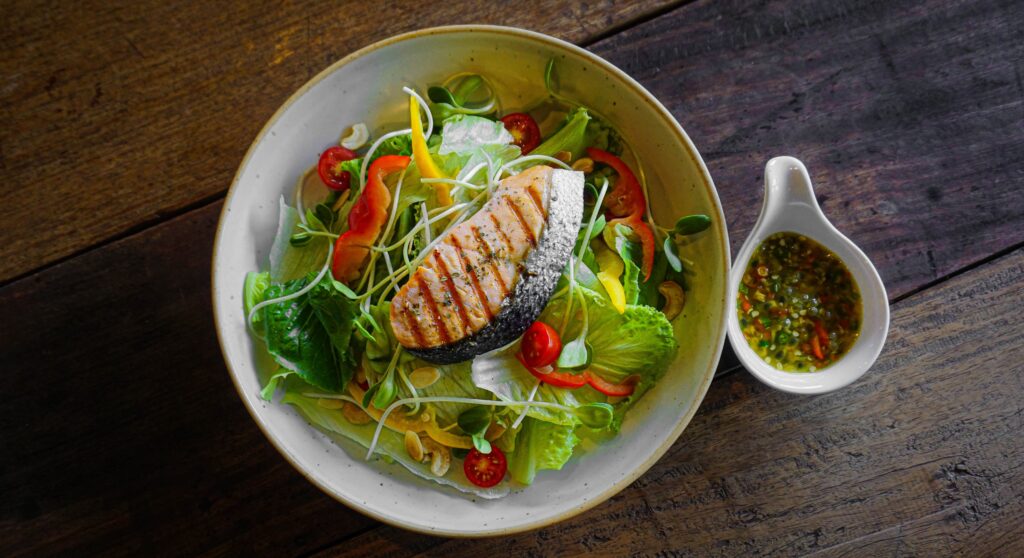
Bangkok’s food scene is not typically associated with wellness in the way Bali’s is, and that reputation is somewhat outdated. The city has a genuinely strong and growing healthy-eating infrastructure: dedicated organic grocers, plant-based restaurant clusters (particularly around Thonglor, Ari, and Sathorn), and hospital-affiliated nutrition clinics offering consultations alongside checkup packages.
Thai cuisine itself, stripped of excess oil and sugar, leans naturally toward fresh vegetables, herbs, and lean proteins, which is one reason nutrition-focused wellness travelers often find Bangkok easier to eat well in than they expect. That said, street food staples can be heavy on sugar, oil, and MSG depending on the vendor, so travelers with specific dietary goals should look specifically for restaurants marketing clean or plant-based menus rather than assuming all Thai food fits a wellness framework.
Recommended: Sompong Thai Cooking Class and Tingly Thai Cooking School Experience in Bangkok. Go to the market, identify and get yourself fresh ingredients, get cookin’! Oh and eating…. 😀
Bangkok’s fitness scene has matured considerably. International-standard gyms operate across Sukhumvit and Silom, boutique Pilates and reformer studios have multiplied in the past few years, and Bangkok yoga studios now range from casual drop-in classes to dedicated retreat-style programs. Muay Thai gyms remain a major draw for fitness-focused travelers seeking something more intense than a typical vacation workout.
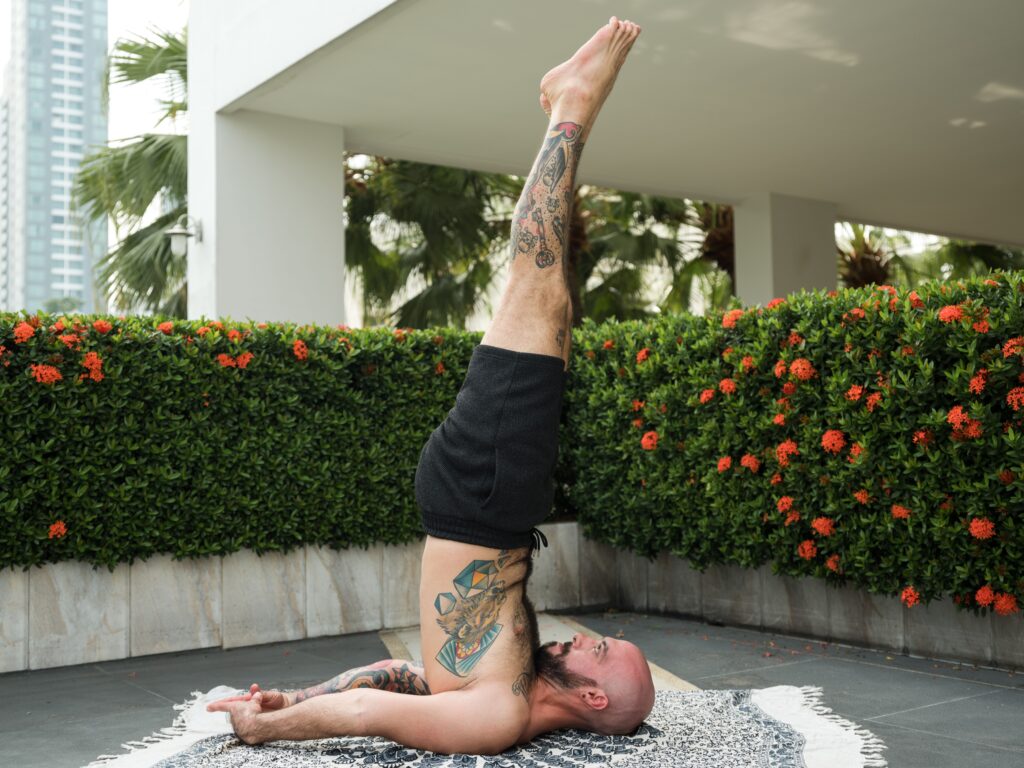
For outdoor training, Lumpini Park and Benjakitti Park offer running loops, outdoor gym equipment, and morning group exercise sessions, many of them free and open to the public. Cycling routes through Bang Kachao, often nicknamed Bangkok’s “green lung,” give a genuinely quiet, low-traffic alternative to the city’s usual density, useful for travelers who want a wellness-focused outdoor day without leaving the metro area entirely.
Must Reads: Best Things to Do in Bangkok and Thailand Transportation Guide.
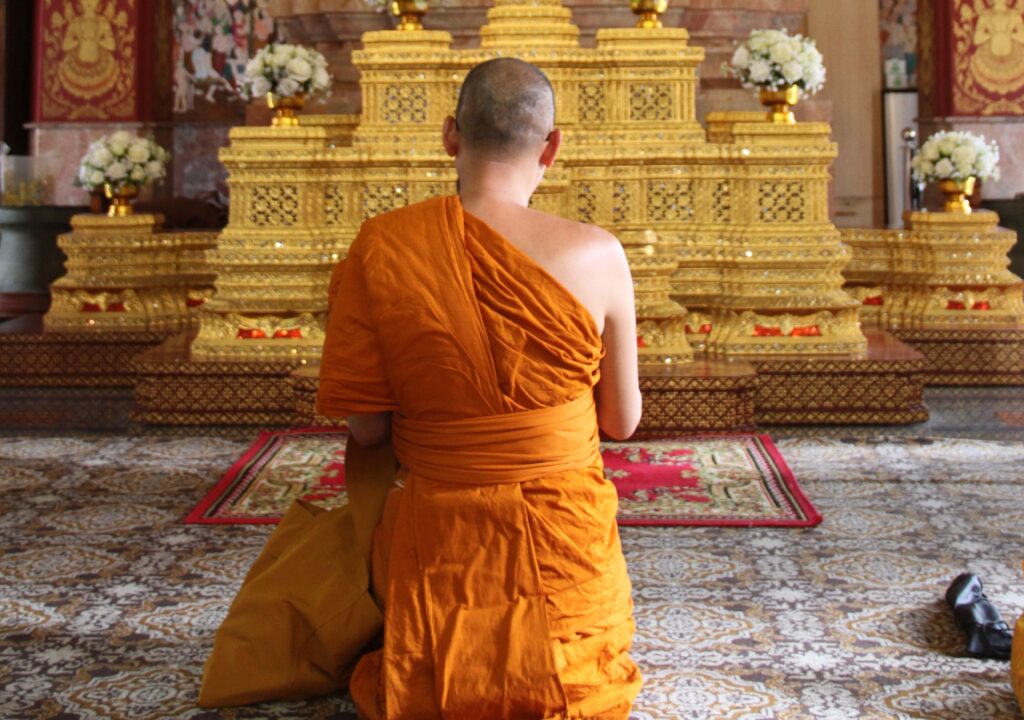
This is where Bangkok distinguishes itself from most global wellness cities, because meditation here is not a wellness-industry import. It is a living religious and cultural practice with centuries of institutional infrastructure behind it.
Beyond temple-based meditation, several Bangkok hospitals and private clinics also run structured mental health services, including licensed psychologists and psychiatrists experienced with international and English-speaking patients. These are appointment-based services, not walk-in clinics; a first psychiatric or psychological consultation typically needs to be booked in advance through the hospital’s international patient department or the clinic directly, so factor that lead time into your trip planning if this is part of the goal.
Several Bangkok temples run structured meditation sessions specifically designed for foreign visitors. Wat Maha That, near the Grand Palace, offers beginner Vipassana sessions three times daily, led by English-speaking monks. The temple houses the world’s first and oldest Buddhist university and functions as the country’s most significant monastic order. The House of Dhamma, in a converted shophouse in the Lat Phrao area, offers one- and two-day introductory meditation courses guided by a Western-trained teacher.
Further afield but still accessible as a day trip, Wat Phra Dhammakaya, located roughly 40 km north of Bangkok in Pathum Thani province, is one of Thailand’s largest temples and runs organized retreats, though the visitor mix skews heavily Thai, at roughly a 99-to-1 ratio of locals to foreigners, worth knowing if a more internationally mixed retreat environment is the goal. Wat Sanghathan in Nonthaburi, just north of central Bangkok, offers a quieter forested riverside setting known for welcoming international meditators.
| Option | Location | Format | Cost | English Support |
|---|---|---|---|---|
| Wat Maha That | Central Bangkok, near Grand Palace | Drop-in, 3 sessions daily, 2 hours each | Donation-based | Yes |
| The House of Dhamma | Lat Phrao district | 1–2 day introductory courses | Donation/course fee | Yes, Western-trained teacher |
| Wat Sanghathan | Nonthaburi (short trip from center) | Flexible-length retreats | Donation-based | Generally yes |
| Wat Phra Dhammakaya | Pathum Thani, ~40 km north | Structured multi-day retreats | Donation-based | Limited; mostly Thai instruction |
| Middle Way Meditation Institute (POP House) | Outskirts of Bangkok | 3-day beginner retreats | Program fee applies | Yes |
Most temple-based meditation in Thailand runs on a donation model rather than fixed pricing, which is part of the tradition rather than a workaround, but budget modestly for a donation regardless. Dress modestly (shoulders and knees covered), arrive early to register, and expect a genuinely different pace than a Western wellness retreat: less curated, more communal, and rooted in religious practice rather than lifestyle branding.
Digital detox is less formally packaged in Bangkok than in destinations like Bali, but several wellness resorts now offer explicit phone-free zones or structured offline programs as part of multi-night retreat packages. If a fully structured digital detox program is the priority, book a dedicated wellness resort package rather than assuming a hotel stay alone will deliver it.
Beyond formal meditation, Bangkok’s temple culture offers a broader form of spiritual wellness that many travelers underrate. Merit-making ceremonies, morning alms-giving to monks, and simply spending time in the quiet interior courtyards of temples like Wat Arun or Wat Traimit provide a genuine change of pace from the city’s traffic and noise.
This is not something to schedule tightly. The value is in the unstructured slowness, which runs counter to the instinct to pack a wellness itinerary with back-to-back bookings.
Traditional Thai medicine sits within a formal legal and regulatory framework, not as an informal folk practice. It operates under the Practice of the Art of Healing Act BE 2542 (1999), overseen by the Institute of Thai Traditional Medicine within the Ministry of Public Health. Several Bangkok hospitals, including university-affiliated ones, run integrative medicine departments that combine conventional treatment with traditional Thai herbal medicine and massage under physician supervision, rather than positioning the two as competing systems.
For travelers interested in this space, the safest approach is choosing a hospital-affiliated integrative medicine department over an unaffiliated storefront herbal practitioner, particularly for anything beyond general wellness support. Herbal remedies can interact with prescription medications, so anyone on regular medication should disclose that clearly before starting any traditional treatment, and ideally consult their existing physician first.
Bangkok’s aesthetic clinic scene is dense, competitive, and generally more affordable than equivalent treatments in the US, UK, or Australia, covering everything from basic facials and laser skin treatments to more involved procedures like hair restoration.
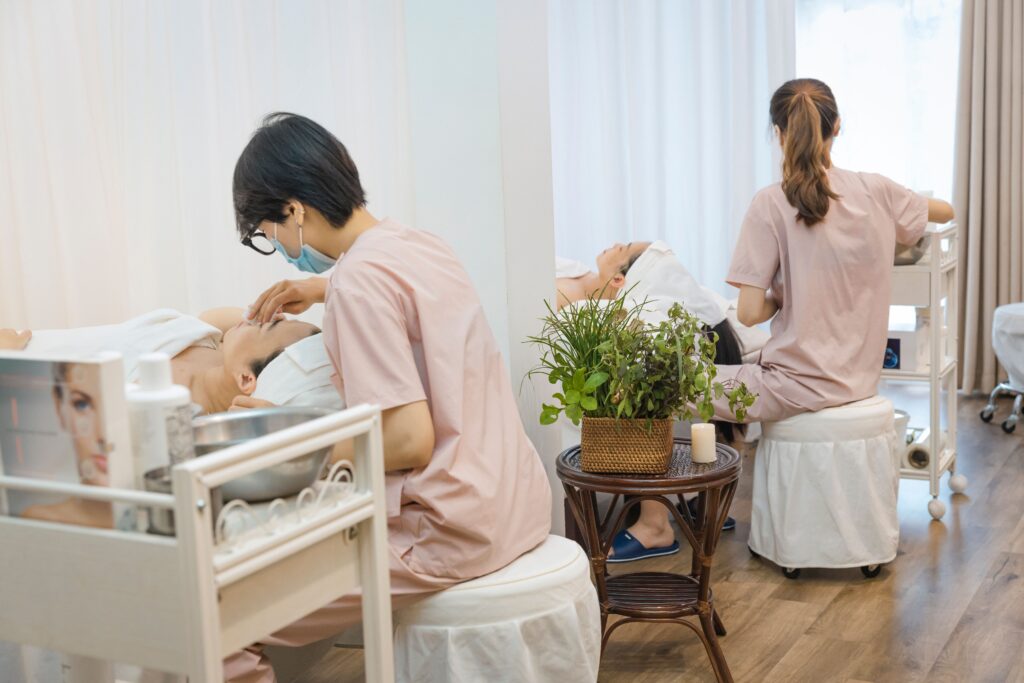
Because this category ranges from low-risk (facials, basic laser) to genuinely medical (injectables, surgical hair restoration, more invasive cosmetic procedures), the same due-diligence rules from the hospital section apply directly here: verify the clinic’s licensing, confirm who is actually performing the procedure, and get a written itemized quote. Cosmetic procedure quality varies enormously between Bangkok clinics, more so than in the hospital sector, since barriers to opening a beauty clinic are lower than opening an accredited hospital department. Research the specific practitioner’s credentials, not just the clinic’s marketing, before booking anything beyond routine, low-risk treatments.
Bangkok’s pharmacies, department stores, and dedicated wellness shops carry a wide range of Thai herbal products, from traditional balms and compresses to supplement lines built around ingredients like turmeric and Thai ginseng. Quality and regulation vary, so buying from established pharmacy chains or hospital gift shops rather than unregulated street stalls is the more reliable route, particularly for anything intended for actual therapeutic use rather than as a souvenir.
Total trip cost depends enormously on what you are combining. A rough framework:
Light wellness trip (spa, massage, meditation, healthy dining, no medical procedures): flights aside, budget roughly $50 to $150 per day depending on hotel tier and how many premium spa treatments you add.
Dental tourism trip (implants, crowns, or veneers combined with recovery time): procedure cost as outlined above, plus accommodation for the required stay length, typically adding $500 to $2,000 to the total trip depending on hotel choice and length of stay.
Medical procedure plus recovery trip (orthopedic surgery, more involved treatment): procedure and hospital costs vary widely by case, plus an extended accommodation and physiotherapy budget for recovery, which can add several thousand dollars depending on recovery length and whether private nursing is needed.
Insurance matters here. Standard travel insurance often excludes elective medical procedures entirely, and even genuine medical tourism insurance products vary in what they cover. Confirm exactly what your policy covers, including complications arising after a procedure, before traveling. Some hospitals offer their own patient support packages that include limited post-procedure coverage; ask directly rather than assuming.
Must Read: Bangkok Travel Costs and Complete Budget Breakdown
Visa requirements depend heavily on the length and purpose of the visit, and rules do change, so this section should be treated as a starting framework rather than a final answer. Always confirm current requirements directly with the Thai embassy or consulate in your home country, or via the official Thai e-Visa portal, before booking.
| Visa Type | Maximum Stay | Best For | Key Requirement |
|---|---|---|---|
| Visa exemption / short-stay entry (nationality-dependent) | Up to 60 days (varies by nationality) | Short wellness trips, single-visit dental work | Valid passport, return ticket |
| Tourist Visa (Medical Treatment – MT) | Up to 60 days per single-entry visa | Planned medical treatment under 60 days | Confirmation letter/affidavit of support stamped by Thailand’s Ministry of Public Health, proof of at least $1,000 USD in funds |
| Non-Immigrant O Visa (Medical) | Up to 90 days | Longer treatment plans, staged procedures | Hospital confirmation letter, proof of funds, higher visa fee |
| Destination Thailand Visa (DTV) | Up to 180 days per entry, valid 5 years | Combining remote work with ongoing wellness routines | Financial proof, activity documentation |
All foreign arrivals, regardless of visa type, must now complete the Thailand Digital Arrival Card (TDAC), submitted online within 72 hours of arrival, which replaced the old paper TM6 form and includes a brief health declaration.
For the MT visa specifically, the core document is a “Letter of Confirmation” on the hospital’s official letterhead, signed by an authorized representative, stating the patient’s name, passport number, diagnosis, planned treatment, and estimated duration of stay. Thai embassies are strict about this letter’s exact format, so request it directly from your hospital’s international patient department well before your visa appointment, and confirm the embassy’s current documentation checklist since requirements can shift between postings.
If a complication extends your treatment beyond your visa’s validity, Thai immigration allows for medical extensions, processed through your hospital’s international patient center issuing a supporting letter, submitted to the nearest immigration bureau.
Must Reads: Destination Thailand Visa (DTV) Masterclass and Thailand Digital Arrival Card (TDAC).
Bangkok’s formal healthcare sector, particularly its JCI-accredited hospitals, operates to a genuinely high standard. Risk in medical and wellness tourism tends to concentrate in a few specific places, and being aware of them prevents most problems.
Choosing an unaccredited or unlicensed provider based purely on price. The cheapest quote is not automatically the riskiest, but an unusually low price with vague answers about who performs the procedure is a red flag worth taking seriously.
Skipping a proper pre-treatment consultation. Reputable Bangkok hospitals and clinics offer thorough consultations, often including virtual pre-visit calls. If a provider pushes straight to booking without a real clinical assessment, treat that as a warning sign.
Underestimating recovery time. Booking a return flight too soon after a procedure is one of the most common and preventable mistakes. Build in buffer days beyond what feels strictly necessary.
Assuming all massage or spa venues are equally trained. As noted earlier, less than half of Thailand’s massage and spa shops hold formal Health Ministry certification. For anything beyond casual relaxation, particularly with an existing injury, look for a licensed venue.
Not clarifying what a quote includes. Ask explicitly whether consultation, imaging, materials, medication, and follow-up visits are bundled into a quoted price or billed separately.
Not securing medical records before leaving. Request complete records, imaging, and a written summary of treatment before departing Thailand, in case follow-up care is needed elsewhere.
A short, practical framework:
Days 1–2: Arrival, hotel spa orientation, executive health checkup booked for day one morning (fasting required beforehand). Evening traditional Thai massage. Day 3: Morning meditation session at Wat Maha That, afternoon at a wellness-focused café district like Ari, evening rooftop yoga. Day 4: Cycling day trip to Bang Kachao, followed by a spa package back at the hotel. Day 5: Free morning, checkup results consultation if needed, departure.
Days 1–2: Arrival, initial consultation, imaging, treatment plan confirmation. Days 3–4: Procedure days (implant placement or crown work), rest. Days 5–7: Recovery, light activity, physiotherapy or massage if appropriate, cultural sightseeing at a relaxed pace. Days 8–9: Follow-up appointment, final adjustments. Day 10: Departure, with documentation and aftercare instructions in hand.
Combine an executive health checkup in week one, a dental or minor medical procedure with built-in recovery time, and a genuine wellness component (multi-night resort stay, meditation retreat, or fitness-focused block) in week two, so the trip does not become purely transactional.
Must Reads: Suggested Bangkok Itineraries and Bangkok Airport Survival Guide.
A few structural shifts distinguish 2026 from the pre-pandemic wellness tourism era. TAT’s explicit “Value over Volume” strategy, presented at TTM+ 2026, is deliberately steering marketing and infrastructure investment toward higher-value travelers rather than pure arrival numbers, with wellness named as a specific pillar alongside sustainability and gastronomy. TAT research indicates wellness tourists spend an average of 36% more than conventional travelers, which is part of why the sector is being prioritized rather than treated as a niche.
At the same time, Thailand has been adjusting visa-free stay durations for several nationalities to manage long-term sustainability and visitor quality, a reminder that entry rules genuinely are in flux and should be checked fresh before every trip, not assumed to match what was true even a year earlier.
Emerging trends worth watching include the growth of longevity-focused programs (extending beyond traditional detox into genetic screening and biological age testing), deeper integration between hospital systems and hospitality brands, and continued government investment events like the Amazing Thailand Health & Wellness Trade Meet, designed specifically to build international B2B partnerships in the health tourism sector.
Is Bangkok good for wellness tourism? Yes. Bangkok combines internationally accredited hospitals, a centuries-old traditional massage tradition, a growing wellness resort scene, and costs typically 50 to 80 percent below Western equivalents for comparable treatments.
Why is Bangkok famous for medical tourism? The concentration of JCI-accredited hospitals, competitive pricing, English-speaking international patient departments, and decades of infrastructure built specifically around treating foreign patients.
What is the difference between wellness tourism and medical tourism? Wellness tourism focuses on maintaining health in people who are not sick (spa, massage, meditation, fitness). Medical tourism involves traveling for a defined treatment or procedure.
Are Bangkok hospitals safe for foreigners? JCI-accredited hospitals in Bangkok, including Bumrungrad, Bangkok Hospital, Samitivej, and Vejthani, meet internationally audited safety and quality standards. Always verify current accreditation status directly before booking.
How do I know if a hospital is really JCI accredited? Check the hospital’s own accreditation page and cross-reference against JCI’s official public directory rather than relying solely on marketing claims.
What is the best hospital in Bangkok for foreigners? There is no single “best” hospital across all specialties. Bumrungrad and Bangkok Hospital are the most internationally recognized generalist options; Vejthani is particularly strong in orthopedics; Samitivej is well regarded for family medicine and pediatrics.
How much does a dental implant cost in Bangkok? Typically $1,100 to $2,500 for a single implant with crown, depending on implant brand and case complexity, compared to $3,000 to $6,500 or more in the US.
How long do I need to stay in Bangkok for dental implants? Traditionally two trips, three to six months apart. Some clinics offer immediate-loading protocols that compress treatment into a single 10 to 14 day stay; confirm eligibility with your specific clinic.
Is cosmetic dentistry in Bangkok safe? At established, accredited clinics using recognized implant and material brands, yes. Quality varies more in this category than in hospital medicine, so research the individual dentist’s credentials carefully.
What is an executive health checkup? A structured screening package, typically 3 to 5 hours, covering blood work, imaging, and organ function tests, aimed at adults roughly 30 to 50 years old for preventive screening.
How much does a health checkup cost in Bangkok? Basic packages run roughly $118 to $160; executive packages $370 to $830; comprehensive senior packages $940 to $1,275, depending on hospital and package scope.
Do I need to fast before a health checkup in Bangkok? Most packages require 8 to 12 hours of fasting before blood draws. Confirm specific requirements with your chosen hospital, and book morning appointments.
Is traditional Thai massage medically regulated? Yes, to a degree. Licensed practitioners must complete at least 800 hours of training and register with the Ministry of Public Health’s Department of Health Service Support, though a large share of informal massage shops operate outside this certification.
What is the difference between royal and folk-style Thai massage? Royal Thai massage uses fingertip pressure and keeps more distance from the client; folk-style massage, more common at places like Wat Pho, is firmer and uses elbows, knees, and feet.
Where can I get an authentic Thai massage in Bangkok? Wat Pho’s massage school is the most historically authentic option, having operated as Thailand’s first traditional medicine school since 1955.
Is Thai massage painful? It can involve firm pressure and deep stretching that feels intense, particularly for first-timers, but should not cause lasting pain. Say “bao bao” (softly) if you want gentler pressure.
What are the best wellness resorts near Bangkok? Bangkok’s riverside luxury hotels along the Chao Phraya increasingly offer dedicated wellness programs; specific property recommendations depend on budget and program focus (detox, fitness, sleep optimization), so compare current offerings directly.
Can I combine wellness tourism with sightseeing in Bangkok? Yes, and most travelers do. A well-structured itinerary blends spa or medical appointments with cultural sightseeing, temple visits, and food exploration.
What visa do I need for medical treatment in Bangkok? Depends on treatment length: visa exemption or standard tourist entry for short trips, the Tourist Visa (MT) for treatment under 60 days, or the Non-Immigrant O (Medical) visa for stays up to 90 days. Confirm current rules with the Thai embassy or e-Visa portal.
What documents do I need for a medical treatment visa? Typically a hospital confirmation letter on official letterhead, passport valid for at least six months, proof of at least $1,000 USD in funds, and a return or onward flight itinerary.
Do I need travel insurance for medical tourism in Bangkok? Standard travel insurance often excludes elective procedures. Look specifically for medical tourism insurance or confirm exactly what your policy covers, including post-procedure complications.
What happens if I need an extension due to a medical complication? Thai immigration allows medical extensions; your hospital’s international patient center issues a supporting letter for submission to the nearest immigration bureau.
Is it cheaper to get medical treatment in Bangkok than at home? Usually significantly so, with savings commonly cited between 50 and 80 percent for dental and many elective procedures, even after factoring in flights and accommodation.
How do I avoid medical tourism scams in Bangkok? Verify accreditation independently, get a written itemized quote, ask specifically who performs your procedure, and be wary of unusually low prices paired with vague answers.
Are there English-speaking doctors in Bangkok? Yes, extensively, particularly at hospitals with dedicated international patient departments, which typically offer interpreter services across dozens of languages.
What is the best time of year for wellness travel to Bangkok? Cooler, drier months from November through February are generally more comfortable for outdoor wellness activities like yoga and cycling; hospital and clinic visits are unaffected by season.
Can I do a meditation retreat in Bangkok if I don’t speak Thai? Yes. Several temples and centers, including Wat Maha That and The House of Dhamma, offer English-language instruction specifically for foreign visitors.
Is Bangkok good for mental health and stress recovery trips? Bangkok offers structured meditation options and a genuine traditional mindfulness culture, though it is a large, busy city; travelers seeking pure quiet and nature may want to pair a Bangkok stay with time in a quieter region like Chiang Mai.
What should I pack for a Bangkok wellness trip? Lightweight, breathable clothing, modest coverage for temple visits (shoulders and knees covered), any existing medical records if undergoing treatment, and proof of funds and hospital documentation if traveling on a medical visa.
Are hair restoration and cosmetic procedures reliable in Bangkok? Quality varies considerably between clinics in this category more than in hospital medicine. Research individual practitioner credentials carefully rather than relying on clinic marketing alone.
Do Bangkok hospitals accept international insurance? Many do, particularly major private hospitals with international patient departments, though coverage varies by insurer and policy. Confirm directly with both your insurer and the hospital’s billing department before treatment.
Bangkok rewards travelers who know what they are looking for. If the goal is a specific medical or dental procedure backed by internationally audited hospitals, at a fraction of home-country cost, few cities in the world match its combination of accreditation density and affordability. If the goal is traditional wellness in its most authentic form, a massage tradition with 700 years of documented history, temples offering genuine meditation instruction, and a wellness economy the Thai government has made a formal national priority, Bangkok delivers that too, without needing to leave the city.
What Bangkok is not is a quiet retreat. It is a dense, fast-moving capital, and travelers expecting the hushed, isolated calm of a jungle wellness resort should look elsewhere, or pair a Bangkok stay with time in a quieter region afterward. But for anyone planning a wellness vacation in Bangkok around serious healthcare infrastructure, deep-rooted traditional practice, and real cost savings, all inside one trip, Bangkok has quietly built the case to be considered among Asia’s leading wellness destinations. Verify current pricing, accreditation, and visa requirements directly with official sources before booking, and the rest of the trip largely takes care of itself.
This guide reflects publicly available pricing, accreditation, and visa information current as of 2026. Prices, hospital accreditation status, and visa rules change; always confirm details directly with the relevant hospital, clinic, or Thai embassy before booking travel or treatment. This article is for general informational purposes and does not constitute medical or legal advice. Consult a qualified physician before making any healthcare decisions.